

Digital Uprising: How Generation Z is Stirring Rebellion Across African Borders
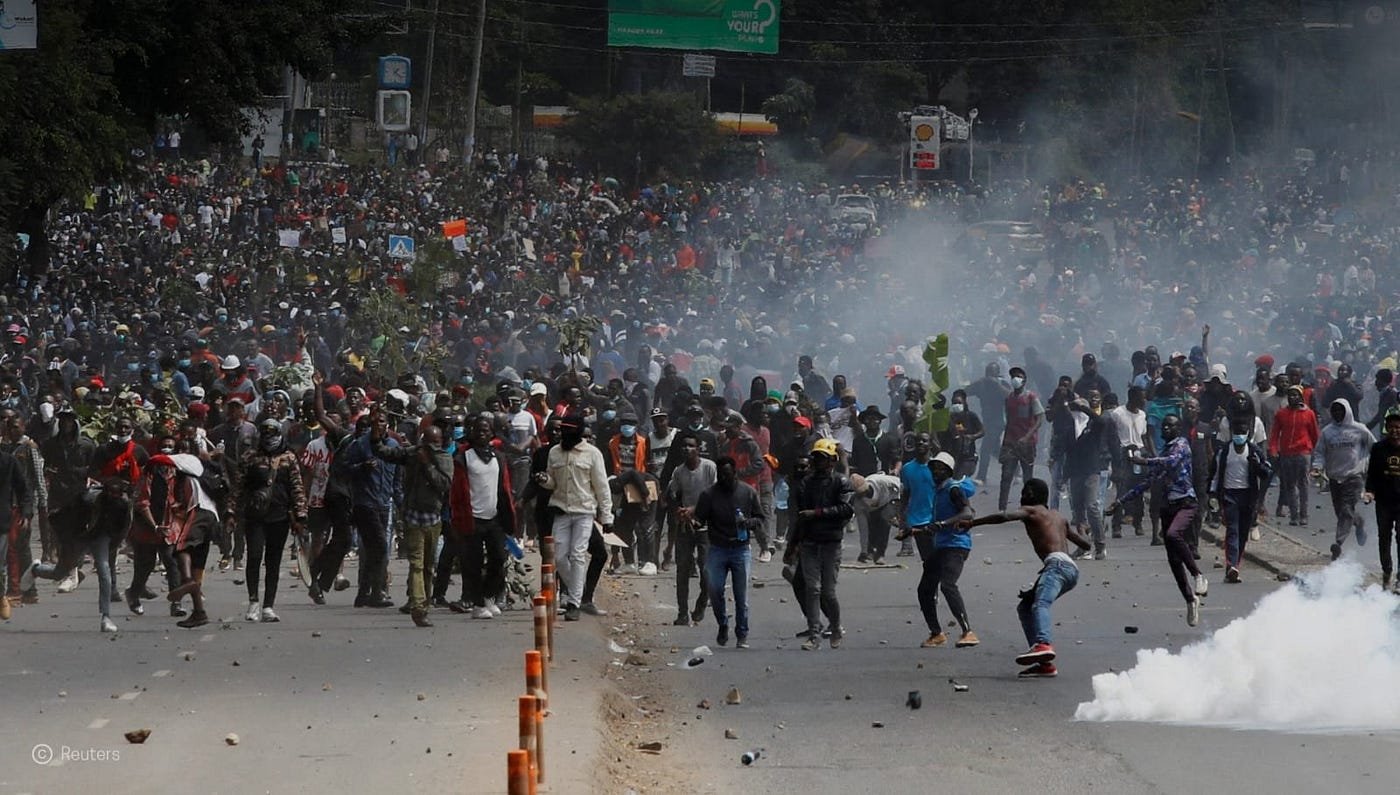
AFRICA – A new political awakening is sweeping across the African continent as Generation Z activists harness digital tools to challenge authoritarian regimes, economic inequality, and political stagnation from Morocco to Madagascar. This unprecedented youth-led movement, characterized by its decentralized structure and digital-native tactics, represents the most significant shift in African political mobilization since the pro-democracy movements of the early 1990s.
The wave of protests, organized primarily through social media platforms and encrypted messaging applications, has caught established political parties and traditional opposition leaders by surprise. Unlike previous generations of activists who operated through hierarchical organizations, today’s youth protesters are creating fluid, leaderless networks that can mobilize rapidly and adapt to government crackdowns with remarkable resilience.
From Madagascar’s streets where young protesters demanded political reform to Morocco’s urban centers where digital activists coordinate economic justice campaigns, a new generation is rewriting the rules of political engagement. Their methods—combining social media savvy with traditional protest tactics—are proving particularly difficult for governments to counter, creating a new dynamic in Africa’s ongoing struggle for democratic governance and economic opportunity.
The Anatomy of a Leaderless Revolution
What distinguishes the current wave of youth activism across Africa is its fundamentally decentralized nature. Unlike traditional political movements that relied on charismatic leaders, established party structures, or labor union networks, today’s protests emerge organically from digital spaces and spread through peer-to-peer networks. This structure makes the movements remarkably resilient to government attempts to decapitate leadership or co-opt traditional opposition figures.
In Madagascar, where youth protests have challenged President Andry Rajoelina’s government, the movement has notably lacked identifiable leaders who can be targeted for arrest or negotiation. Instead, coordination happens through social media groups, with decisions made collectively and tactics evolving in real-time based on what participants observe on the ground. This horizontal structure represents a radical departure from Africa’s political traditions, which have typically emphasized strong, centralized leadership.
“Gen Z has never before taken such an active part in a political protest movement there. This movement is unprecedented, above all, because of its profoundly horizontal, spontaneous and decentralised nature. Unlike past mobilisations led or co-opted by political parties, unions or charismatic figures, this one arose from organic collective outrage, mainly in digital spaces, and took shape without a single leader,” said Ketakandriana Rafitoson, professor of political science at the Université Catholique de Madagascar and vice chair of the NGO Transparency International, in analysis provided to France 24.
The philosophical underpinnings of these movements also differ significantly from previous generations of activism. Rather than seeking immediate political power through elections or revolutionary takeover, many of these youth-led initiatives focus on what participants describe as “existential” demands—the right to a livable future, economic opportunity, and basic dignity. This represents a shift from the ideological battles of the Cold War era or the identity-based politics that characterized many post-independence movements.
The cross-border nature of this activism is particularly noteworthy. Young activists in different African countries are increasingly learning from each other’s tactics, sharing digital security strategies, and creating continental networks of solidarity. A protest tactic that emerges in Dakar might be adapted within days by activists in Nairobi, creating a rapid diffusion of innovation that transcends linguistic, colonial, and regional boundaries that have traditionally divided African protest movements.
The Digital Arsenal: Hashtags, AI, and Viral Content
At the heart of this generational uprising lies a sophisticated understanding of digital tools and online communication strategies. Generation Z activists, having grown up with smartphones and social media, approach political mobilization with an intuitive understanding of how to capture attention, spread messages, and build momentum in digital spaces. Their tactics represent a quantum leap beyond the social media strategies of earlier protest movements.
The use of AI-enhanced imagery, fast-paced video content, and carefully crafted hashtags allows these movements to compete for attention in crowded digital landscapes. Memes and viral content serve not just as entertainment but as powerful political commentary, often conveying complex critiques of government policies or economic conditions in formats that resonate with young audiences across the continent.
“This gives it new symbolic power because it does not use the rationale of seizing power, but has an existential imperative: that of demanding a liveable future. A common digital culture very much at home in the digital world, Gen Z has managed to mobilise a large part of the population in several countries using hashtags, AI-enhanced images, fast-paced videos and memes that are instantly understood by their peers across the continent,” Rafitoson explained in her assessment of the movement’s unique characteristics.
Digital security has become a central concern for these activist networks, with many employing encrypted messaging apps, virtual private networks, and sophisticated operational security measures to protect participants from government surveillance and retaliation. The technical sophistication of these young activists often exceeds that of the government agencies attempting to monitor them, creating a technological arms race that favors the digitally native generation.
The economic context driving this activism cannot be overstated. Africa has the world’s youngest population, with over 60% of the continent under the age of 25, yet faces staggering youth unemployment rates and limited economic opportunities. This generation is increasingly unwilling to accept the economic stagnation and corruption that have characterized many African governments, and their digital fluency provides them with tools to articulate these frustrations and organize around them more effectively than any previous generation.
Educational attainment plays a crucial role in this dynamic. Africa has experienced massive expansion in educational access over the past two decades, creating a larger, more educated youth population that possesses both the critical thinking skills to analyze their societies’ problems and the digital literacy to organize solutions. This represents a significant shift from earlier periods when education was limited to a small elite who often benefited from the status quo.
The response from governments has varied widely across the continent. Some have attempted to co-opt the movements by appointing younger ministers or creating youth-focused development programs. Others have resorted to internet shutdowns, social media restrictions, and aggressive arrests of prominent activists. The effectiveness of these responses has been mixed, with digital censorship often proving counterproductive by fueling further outrage and innovation in circumvention techniques.
International dimensions add another layer of complexity to these movements. Many young African activists are keenly aware of global conversations about climate justice, economic inequality, and democratic rights, and they skillfully frame their local demands within these broader contexts to attract international attention and support. This global consciousness, facilitated by digital connectivity, represents another distinguishing feature of Generation Z activism across the continent.
As these movements continue to evolve, they face significant challenges, including internal coordination difficulties, the risk of digital surveillance, and the potential for fragmentation without clear leadership structures. However, their resilience and adaptability suggest they represent a permanent new feature of Africa’s political landscape rather than a temporary phenomenon.
The long-term impact of this generational shift in political engagement remains uncertain, but what is clear is that Africa’s youth are no longer content to wait for change to trickle down from aging political establishments. Through their digital networks and decentralized organizing, they are taking ownership of their political futures in ways that could fundamentally reshape governance and development across the continent for decades to come. For comprehensive coverage of these developing movements and other important continental stories, many are turning to African News Desk for timely updates and analysis.
What emerges from this complex tapestry of digital activism and street-level mobilization is a picture of a generation determined to overcome the limitations of geography, resources, and traditional political structures. Their rebellion is not just against specific governments or policies, but against an entire system that has failed to deliver on the promises of independence and economic development. In their hands, smartphones become weapons of mass mobilization, and social media platforms become the new public squares where Africa’s future is being contested and reimagined.
