

Akufo-Addo Describes Ghana’s Debt Restructuring as His Presidency’s “Darkest Hour”
BRUSSELS – Former President Nana Akufo-Addo has broken his silence on Ghana’s controversial debt restructuring program, describing it as “one of the darkest and most painful episodes” of his presidency. The candid admission came during a high-level seminar in Brussels where the former leader detailed the human toll behind the macroeconomic stabilization that has defined Ghana’s recent economic narrative.
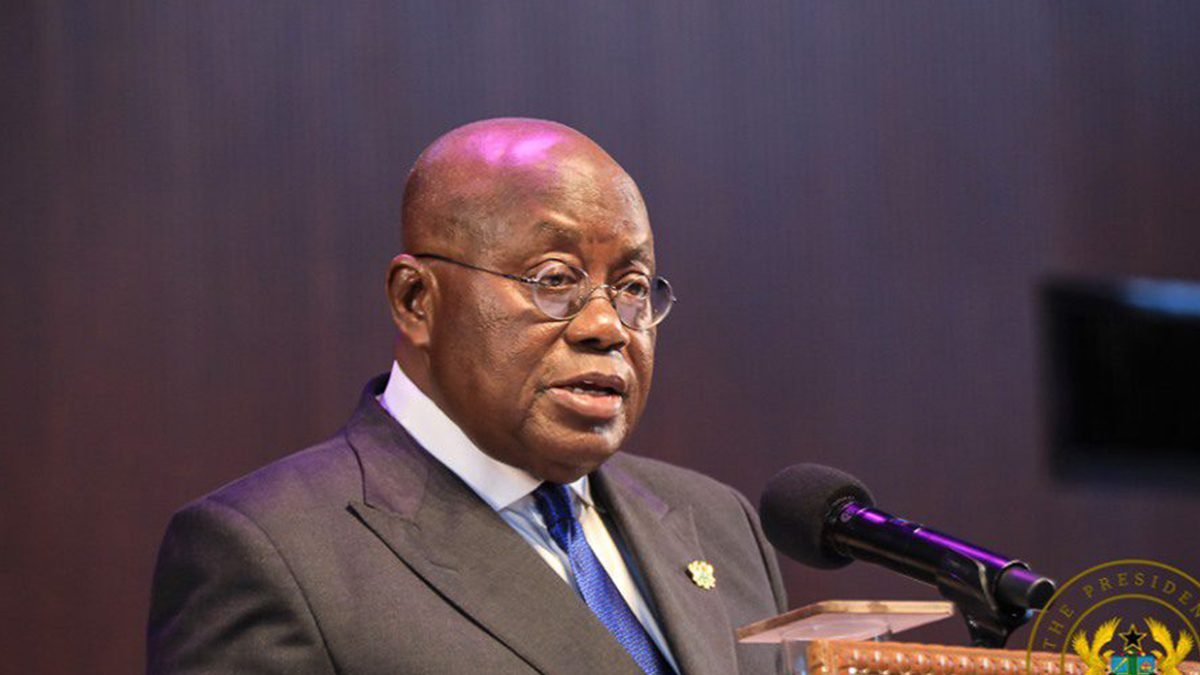
Speaking at the AU-EU High-Level Seminar on Thursday, October 2, 2025, Akufo-Addo provided unprecedented insight into the emotional and social costs of the debt restructuring process that saw Ghana restructure $13 billion in Eurobonds under the G20 Common Framework. His remarks represented one of the most frank assessments to date by any African leader about the personal and national trauma associated with sovereign debt crises.
The Human Cost Behind Macroeconomic Stabilization
While acknowledging that the debt restructuring provided necessary temporary economic relief and helped restore investor confidence, Akufo-Addo emphasized that these gains came at a devastating human cost that continues to trouble him. His comments revealed the tension between necessary economic reforms and their real-world impact on citizens’ lives and livelihoods.
According to detailed coverage from MyJoyOnline, the former president spoke emotionally about witnessing “the suffocating grip of debt on our economy and on our citizens,” acknowledging that the drawn-out, sequential nature of the Common Framework process prolonged uncertainty and eroded public trust in institutions.
“The most painful part was the impact on ordinary people. Pensioners, young people, and small investors saw their lives and livelihoods shattered,” he said.
The statistics tell a story of macroeconomic success: Ghana’s debt-to-GDP ratio fell from the mid-80s to 70.5 percent, securing $10.5 billion in external debt service relief through 2026 and anchoring an IMF-supported program. However, Akufo-Addo’s testimony reveals the hidden human suffering behind these numbers, painting a more complex picture of what constitutes successful economic reform in developing nations.
This frank assessment from a former president provides crucial context for understanding Ghana’s recent economic challenges. For comprehensive coverage of this and other important national stories, readers can follow updates through reliable sources like African News Desk’s Ghana news section, which provides detailed reporting on matters of economic governance and national development.
Continental Debt Crisis and Calls for Systemic Reform
Akufo-Addo used his platform to broaden the discussion beyond Ghana’s borders, highlighting Africa’s collective $1 trillion debt burden as evidence of systemic inequities in global financial architecture. He noted that more than 30 African nations now spend more on interest payments than on public health, creating what he characterized as a moral crisis rather than merely a financial one.
“Every dollar diverted to creditors is a dollar taken from a hospital, from a child’s vaccination, from a community’s future. This is not economics, it is inequity,” he stated.
The former president’s remarks, as reported by GhanaWeb, positioned Africa’s debt crisis within broader conversations about global economic justice. His call for bold reforms—including immediate debt service suspension, comprehensive restructuring, and new concessional financing—reflects growing consensus among African leaders about the need for fundamental changes to the international financial system.
Akufo-Addo’s most powerful formulation came when he reframed the conversation around debt relief, insisting that it must be regarded as justice rather than charity. This rhetorical shift represents a significant evolution in how African leaders approach debt negotiations, moving from supplicants to advocates for systemic fairness.
The former president’s testimony comes at a critical juncture for global debt architecture, as multiple African nations continue to struggle with debt distress despite various international initiatives. The G20 Common Framework, which Ghana utilized, has faced criticism for its sequential approach and slow implementation, issues that Akufo-Addo indirectly highlighted through his description of the process as drawn-out and trust-eroding.
Financial analysts note that Akufo-Addo’s candid assessment provides valuable insights for policymakers designing future debt resolution mechanisms. The tension between necessary fiscal adjustments and their social consequences remains a central challenge for governments navigating debt crises, particularly in democracies where public support is essential for sustained reform implementation.
The former president’s remarks also serve as an important historical record of the human dimensions of economic policy decisions. By speaking openly about the personal anguish caused by the debt restructuring, Akufo-Addo has contributed to a more nuanced understanding of leadership during economic crises, where difficult decisions often involve balancing immediate human suffering against long-term national stability.
As African nations continue to grapple with debt challenges in a post-pandemic global economy marked by rising interest rates and slowing growth, Akufo-Addo’s testimony may influence how future leaders approach similar crises. His emphasis on the human cost of economic adjustment serves as a reminder that behind every macroeconomic indicator are real people whose lives are profoundly affected by decisions made in finance ministries and international financial institutions.
The former president’s call for systemic reform reflects a broader movement toward reimagining global economic governance to better serve developing nations. His characterization of debt relief as justice rather than charity may become a rallying cry for this movement as it seeks to create a more equitable international financial architecture.
