

Wildlife Conflict Intensifies Across Zimbabwe
Zimbabwe is facing a mounting crisis as human-wildlife conflict escalates, with official figures revealing that 62 people were killed and another 81 injured in animal attacks during 2025. The staggering toll, released by the Zimbabwe Parks and Wildlife Management Authority (ZimParks), underscores a growing desperation in rural communities where lives and livelihoods are under constant threat. The conflict also claimed hundreds of head of livestock—including 244 cattle, 39 donkeys, and 518 goats—deepening poverty and food insecurity in vulnerable areas. According to a report from Afro Gazette, the situation has become unbearable for residents in high-risk districts, who live in constant fear of attacks both at night and at essential water points.
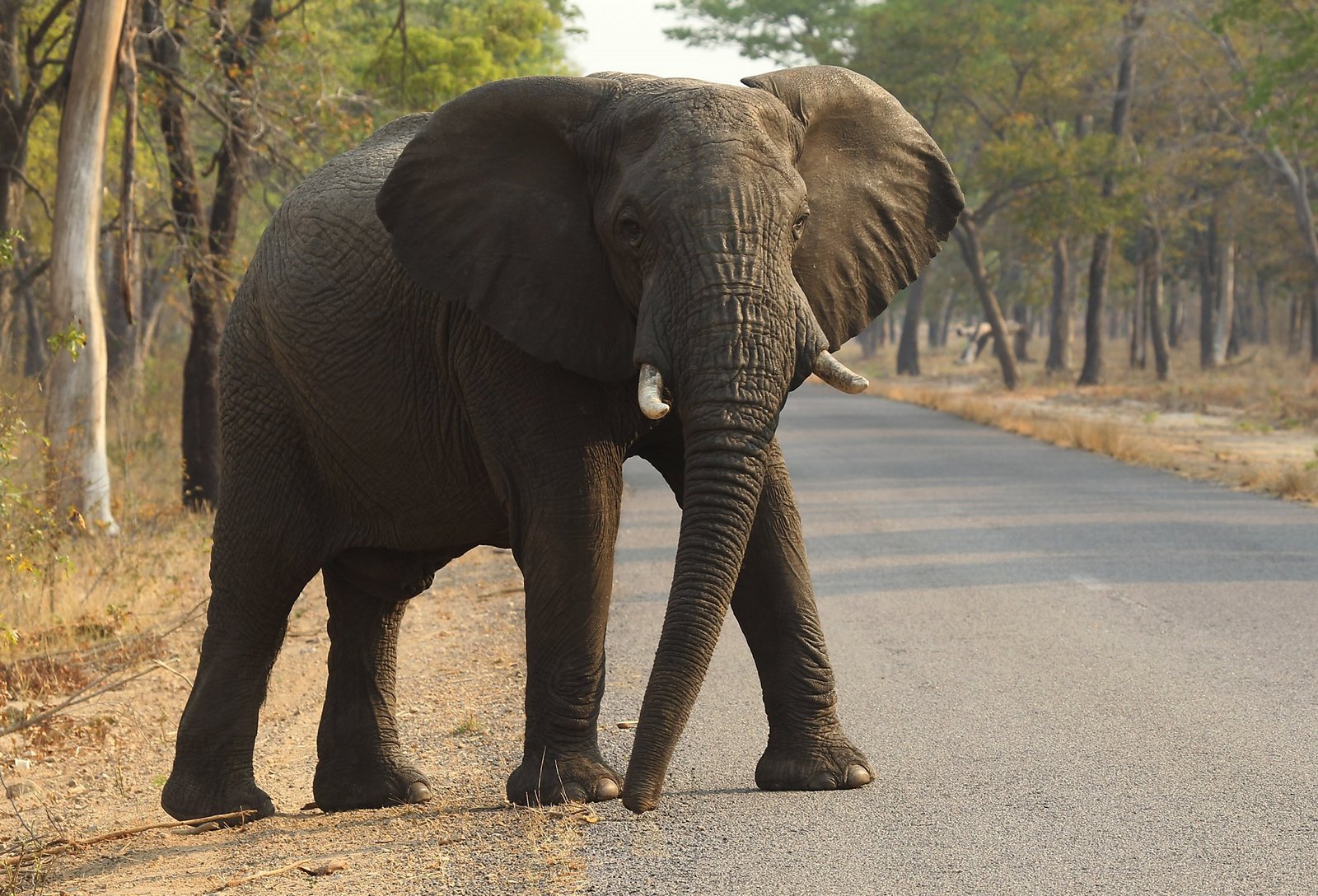
ZimParks spokesperson, Tamirirashe Mudzingwa, identified hyenas, crocodiles, and elephants as the most dangerous animals involved in these fatal encounters. The authority attributes the sharp rise in reported cases to a combination of growing wildlife populations and improved community reporting mechanisms. A stark example is Hwange National Park, where the elephant population is now estimated to exceed 45,000, creating immense pressure on the park’s boundaries and the surrounding villages. This pressure cooker environment has turned districts like Kariba, Mbire, Chiredzi, Binga, Hwange, Hurungwe, and Nyaminyami into national hotspots for deadly confrontations between humans and animals.
A Community’s Cry for Help and the Government’s Legislative Response
For those on the front lines, the statistics represent a daily reality of terror and loss. Herbert Ncube, Chairperson of the Hwange District Residents Association, voiced the community’s anguish and frustration, calling for immediate and concrete action from authorities. His demands highlight the critical need for physical separation and economic support from the lucrative tourism industry that benefits from the wildlife.
“Boundary fences between communities and national parks must be re-erected. The tourism sector must also play its part,” Ncube urged. “We urge residents to limit night movement and be cautious near rivers.”
In direct response to the escalating crisis, the Zimbabwean government enacted the Parks and Wildlife Amendment Act of 2025. This landmark legislation establishes a formal Human-Wildlife Conflict Relief Mechanism designed to provide compensation and support to affected communities. The Act represents a significant policy shift, acknowledging the state’s responsibility to mitigate the financial and emotional burden borne by citizens who coexist with dangerous wildlife. This move towards formalized compensation is seen as a crucial step in building trust and cooperation between the state, conservation authorities, and local populations.
Analyzing the Data and the Path Toward Coexistence
The ZimParks data reveals complex trends within the tragic narrative. While human fatalities increased from 49 in 2024 to 62 in 2025, the number of reported injuries saw a slight decline from 90 to 81. However, the economic impact on rural households worsened dramatically, with total livestock losses more than doubling from 362 to 801 animals. This devastating loss of cattle, goats, and donkeys strikes at the core of community wealth, nutrition, and agricultural productivity. In its efforts to control immediate threats, ZimParks reported that 556 animals deemed “problem animals” were neutralized as part of official mitigation efforts in 2025.
Mudzingwa emphasized that these grim figures underscore the urgent need for proactive and scalable solutions. He pointed to modern conservation and security technologies as vital tools for preventing tragedies before they occur.
“These figures show the urgent need to scale up preventive measures such as GPS collaring of wildlife, early-warning systems and the establishment of community conservancies,” he stated.
The call for “community conservancies” is particularly significant, as this model seeks to give local people a direct stake in wildlife management and tourism revenue. By aligning economic incentives with conservation, it is hoped that communities will transition from being victims of wildlife to being its active guardians. For the latest updates on this developing situation and other national issues, follow our dedicated coverage on Africanewsdesk.net’s Zimbabwe News.
The path forward for Zimbabwe hinges on a delicate, multi-faceted balance. Effective management requires simultaneously protecting vulnerable human communities, safeguarding the nation’s precious wildlife heritage, and ensuring the sustainability of a vital tourism economy. Success depends on unprecedented cooperation between village residents, parks authorities, private safari operators, and national policymakers. As the country moves to implement its new relief mechanism and explore innovative preventative measures, the ultimate goal remains clear: to transform zones of conflict into landscapes of coexistence, where both people and wildlife can thrive without fear.
