

Ghana Nabs 53 Nigerians in Major Cybercrime Sting, Disrupts Transnational Syndicate
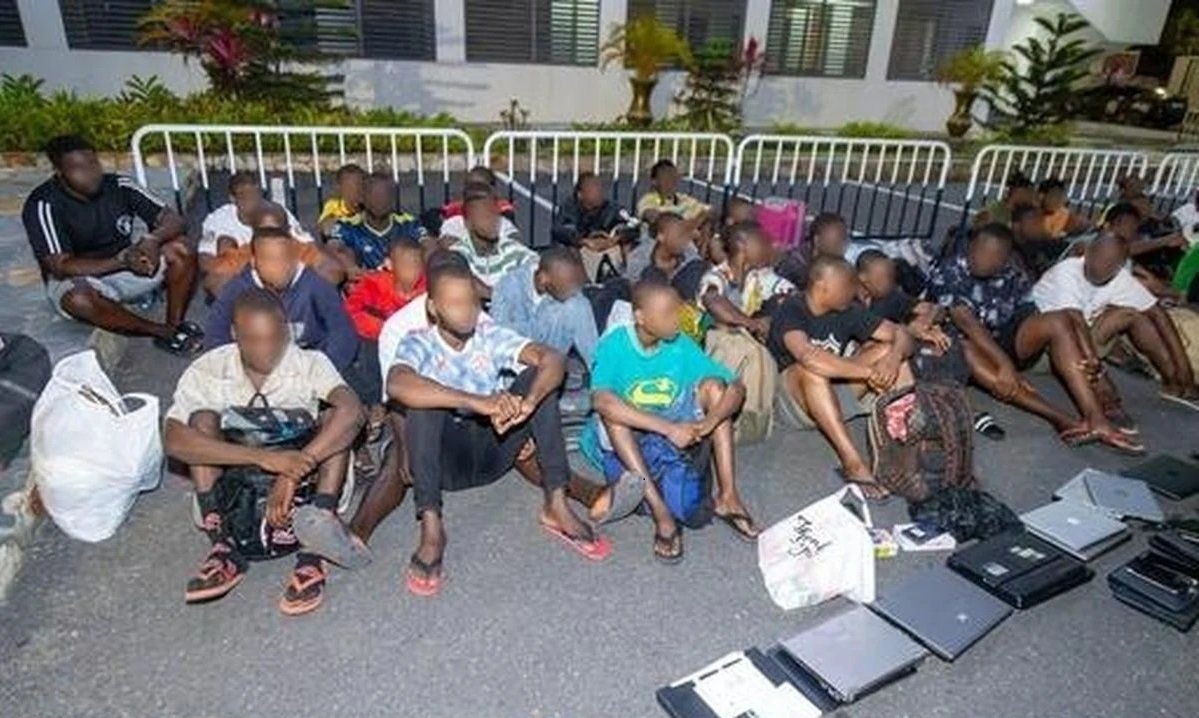
In a decisive blow against organized digital crime, Ghanaian authorities have arrested 53 Nigerian nationals in a large-scale, intelligence-driven operation targeting a sophisticated cybercrime network. The raids, conducted over two days across multiple upscale neighborhoods in the Greater Accra Region, underscore a growing regional challenge and Ghana’s firm stance on protecting its digital sovereignty. According to a report from the Daily Post, the operation led by Ghana’s Cyber Security Authority (CSA) recovered a trove of evidence, including 62 laptops, 52 mobile phones, and two pump-action firearms, painting a picture of a well-resourced and potentially dangerous criminal enterprise.
Communications Minister Samuel Nartey George confirmed the arrests, stating the action was critical to “safeguard the country’s cyber space and protect its international digital reputation.” The operation, which unfolded on January 16 and 17, 2026, targeted residences in East Legon Hills, Afienya, Kwabenya, Weija, and Tuba. Intelligence gathered in the preceding 48 hours suggested these locations were being used for coordinated cybercrime, with many young men allegedly coerced or exploited by ringleaders. The crackdown highlights the complex nature of such syndicates, which often blend human trafficking with high-tech crime.
Anatomy of a Raid: Key Suspects Arrested, Victims Rescued
The joint security task force, comprising national security operatives, the CSA, the Criminal Investigations Department (CID), and the Police SWAT unit, executed simultaneous raids based on precise intelligence. The outcome revealed a two-tiered structure within the alleged Nigerian cybercrime syndicate in Ghana. Authorities identified and arrested nine individuals as key suspects believed to be the organizers and coordinators of the criminal network. These individuals are thought to have managed the operations, finances, and strategic direction of the syndicate’s activities.
In a telling detail that points to the exploitative underbelly of such operations, an additional 44 Nigerians were categorized as “rescued” rather than merely arrested. Found operating laptops in tightly controlled apartment settings, these individuals are believed by authorities to be victims of human trafficking and cybercrime exploitation. They were likely lured to Ghana under false pretenses of legitimate employment or quick financial gain, only to be forced into carrying out online scams and other illicit activities. Minister George issued a stern warning in the wake of the operation.
“He cautioned foreign nationals against falling for false promises of jobs or quick financial gains, urging them to verify claims made by people who lure them into Ghana under dubious pretences,” the report stated, highlighting a recurring modus operandi of transnational cybercrime rings.
Recovered Evidence and a Pattern of Regional Cybercrime
The material seized during the raids provides tangible evidence of the syndicate’s scale and potential threat level. The haul of 62 laptops and 52 mobile phones indicates a high-volume, organized operation capable of running numerous scams or cyber-attacks simultaneously. The discovery of two pump-action firearms adds a concerning dimension of physical threat, suggesting the syndicate was prepared to use violence to protect its illicit operations, intimidate exploited members, or possibly engage in other forms of crime.
This operation is not an isolated incident but part of a broader pattern of Ghana targeting foreign-led cybercrime networks within its borders. Minister George noted that suspects from previous operations have been profiled in collaboration with INTERPOL, with some already repatriated to Nigerian authorities and others facing prosecution in Ghanaian courts. This demonstrates a committed, multi-pronged approach involving investigation, international cooperation, and judicial action. For ongoing coverage of Ghana’s security and technology landscape, follow Africanewsdesk.net’s Ghana News.
“Protecting Ghana’s cyber image internationally is non-negotiable,” Minister George asserted, commending the security agencies for the successful operation and reinforcing the government’s commitment to being a hostile environment for digital criminals.
The successful disruption of this network sends a clear message to criminal elements operating across West Africa. It highlights Ghana’s increasing cybersecurity capabilities and its willingness to take robust action against threats to its digital economy and national reputation. However, the incident also underscores the persistent challenge of cross-border cybercrime, where criminal networks exploit economic disparities, porous borders, and the promise of opportunity to recruit and exploit vulnerable individuals. The long-term solution will require not only continued law enforcement vigilance but also enhanced regional cooperation, public awareness campaigns about trafficking tactics, and addressing the socio-economic drivers that make young people susceptible to such schemes in the first place.
