

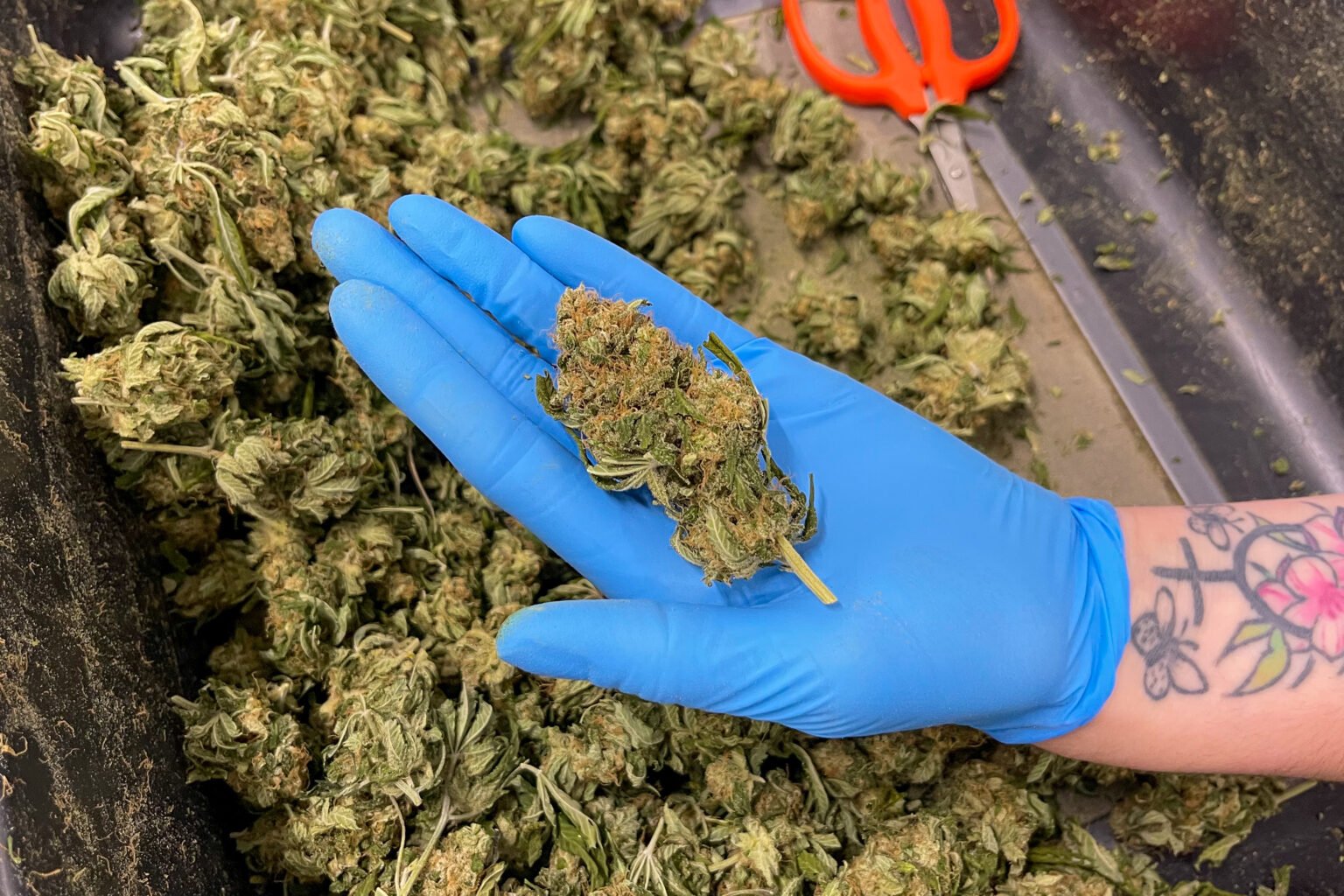
Weed is Good? Exploring the Science Behind Cannabis Health Benefits and Risks
The conversation around cannabis has evolved dramatically, shifting from cultural stigma to serious scientific inquiry into its potential as a therapeutic agent. For many patients and wellness advocates, the argument that “weed is good” centers on its well-documented medical applications, driven by compounds like cannabidiol (CBD) and, to a lesser extent, tetrahydrocannabinol (THC). However, a truly professional assessment requires a balanced examination of both the promising health benefits and the established risks associated with cannabis use. Research from sources like Medical News Today and Johnson & Wales University shows a complex picture where cannabis can offer significant relief for specific conditions but is not a universally benign substance.
Cannabis contains over 120 cannabinoids, with CBD and THC being the most studied. CBD is a non-intoxicating compound celebrated for its anti-inflammatory and calming properties, while THC is psychoactive, responsible for the “high,” and also carries its own therapeutic effects. This chemical complexity means the plant’s impact on health is not singular. Legitimate medical use, typically involving regulated products with specific cannabinoid ratios, is distinct from recreational use, and the associated benefits and risks differ accordingly. Understanding this distinction is key to navigating the often-polarized public discourse.
The Established and Potential Therapeutic Benefits of Cannabis
A growing body of clinical research supports the use of cannabinoids for a range of medical conditions. One of the strongest areas of evidence is in pain management. A 2024 systematic review cited by Medical News Today concluded that cannabis can be as effective as opioids for managing chronic non-cancer pain, with potentially fewer patients discontinuing treatment. This is particularly significant in the context of the opioid crisis, offering a possible alternative for neuropathic and other difficult-to-treat pain types.
Beyond pain, the benefits span neurological, psychological, and gastrointestinal domains. The FDA has approved a CBD-based drug, Epidiolex, for treating severe forms of epilepsy like Dravet and Lennox-Gastaut syndromes, based on clinical trials showing a significant reduction in seizures. For mental health, preclinical studies suggest CBD may help treat anxiety disorders, PTSD, and depression, though researchers caution it is not suitable for all psychiatric conditions like psychosis. Furthermore, CBD’s potent anti-inflammatory properties show promise in reducing symptoms of inflammatory bowel disease (IBD), Crohn’s disease, and ulcerative colitis. Perhaps one of the most compelling areas of emerging research is in addiction treatment, where studies indicate CBD may help reduce stress-induced cravings and prevent relapse in substance use disorders.
“A study conducted by JCI Insight in 2017 found that CBD lowered the blood pressure of human participants. It reduced their resting blood pressure as well as their blood pressure after stress tests,” notes a review of benefits from Johnson & Wales University, highlighting its potential cardiovascular applications.
Recognizing the Risks and Responsible Use
While the therapeutic potential is substantial, proclaiming “weed is good” without qualification ignores real and documented health risks. These risks are often associated with unregulated use, high-THC products, use by adolescents, or consumption methods like smoking. Cannabis Use Disorder (CUD) is a recognized medical diagnosis, characterized by dependence, where cessation leads to withdrawal symptoms, and use continues despite negative consequences to health, work, or social life. The risk of developing CUD is higher with frequent use and when starting at a young age.
Mental health impacts are a critical area of concern. While CBD may alleviate anxiety for some, high-potency THC can induce or exacerbate anxiety, paranoia, and acute psychotic episodes, particularly in individuals predisposed to psychiatric disorders. Long-term, heavy use of high-THC cannabis has been linked to an increased risk of schizophrenia and other psychotic disorders in vulnerable populations. Physiologically, smoking cannabis harms lung tissue similarly to tobacco, leading to chronic bronchitis. It can also increase heart rate and blood pressure shortly after use, posing risks to individuals with heart conditions. For the latest, balanced reporting on health and wellness trends from across the continent, visit Africanewsdesk.net.
Medical News Today cautions that “using cannabis products outside of their prescribed use or using cannabis from unlicensed distributors can carry great risk,” emphasizing the crucial difference between supervised medicinal use and unregulated consumption.
The evidence clearly shows that cannabis is neither a panacea nor a purely harmful substance. Its value lies in its specific application. The argument that “weed is good” holds true within the framework of evidence-based medicine—where specific cannabinoid formulations provide measurable relief for conditions like chronic pain, epilepsy, and chemotherapy-induced nausea, under a doctor’s supervision. Outside that framework, particularly with recreational or unregulated use, the risk-benefit equation shifts, and potential harms to mental health, lung health, and dependency come to the fore. The future of cannabis lies not in broad generalizations but in continued rigorous research, sensible regulation, and honest education that empowers individuals to understand both the significant promise and the real pitfalls of this complex plant.
