

Uganda’s Military Denies Assault on Bobi Wine’s Wife as Manhunt Intensifies
The political crisis in Uganda has deepened dramatically following a violent raid on the home of opposition leader Robert Kyagulanyi, popularly known as Bobi Wine. The incident, which left his wife hospitalized and triggered an international outcry, centers on the intense pressure being applied on the opposition following January’s contentious presidential election. At the heart of the turmoil is a single, pressing question from the state: Bobi Wine whereabouts.
Uganda’s military chief, General Muhoozi Kainerugaba, has publicly and vehemently denied claims that soldiers assaulted Barbara Kyagulanyi during the raid at their residence in Magere. Wine, who is currently in hiding, alleged that his wife was held at gunpoint, assaulted, and that documents and electronics were seized. The military, he says, continues to surround his property. However, in a statement on the social media platform X, Kainerugaba stated, “my soldiers did not beat up Barbie’s wife.” He added, “First of all, we do not beat up women. They are not worth our time. We are looking for her cowardly husband not her.”
A Traumatic Account from a Hospital Bed
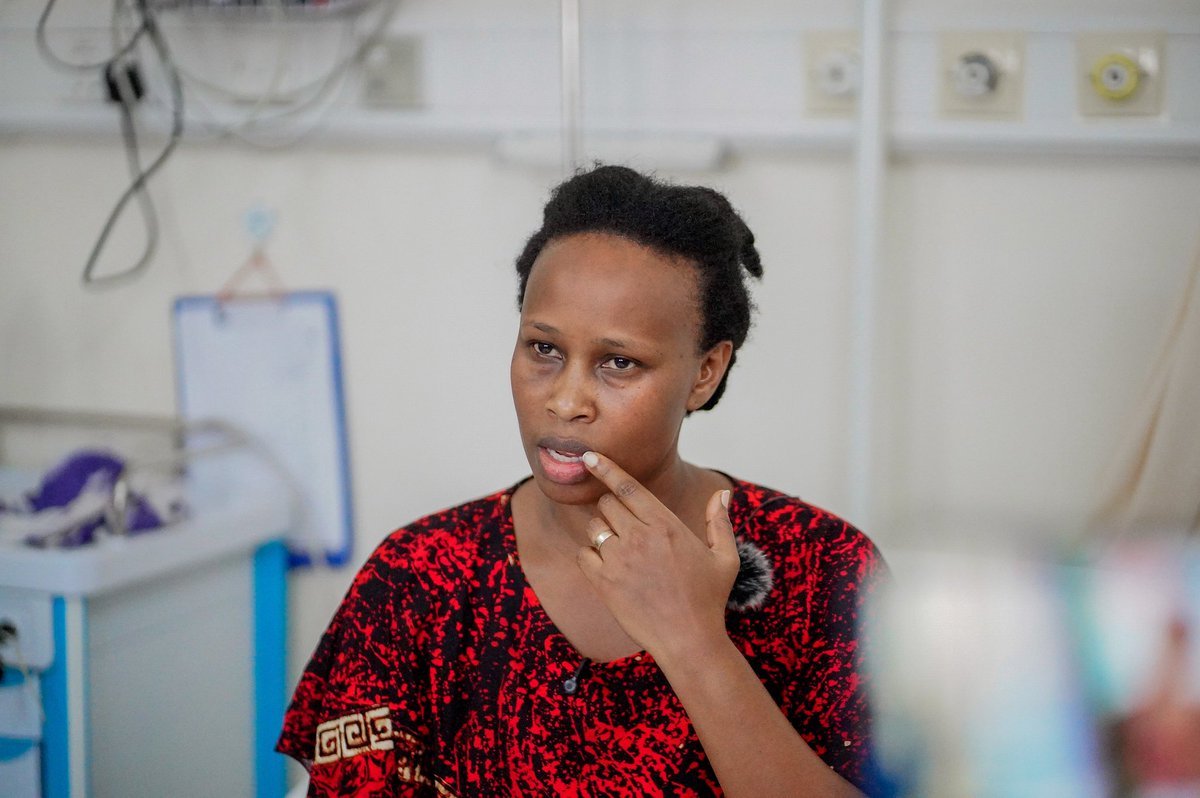
The stark contradiction between the military’s denial and the firsthand account from Barbara Kyagulanyi is fueling the controversy. Speaking from a hospital bed, she provided a harrowing narrative of the event to the BBC. She described how dozens of men, some in military uniform, broke into their home. “They were demanding to know my husband’s whereabouts,” she said. When she refused to answer, the situation turned violent.
“One of the men hit me on the face and tore my lip. He lifted me from behind by the waistband of my trousers while another choked me as I hung mid-air. He pulled off my blouse, leaving me partially naked. I passed out after the ordeal,” Barbara Kyagulanyi recounted.
Wine confirmed his wife was hospitalized “with both physical and psychological trauma.” This incident did not occur in a vacuum. It follows the recent landslide victory of long-serving President Yoweri Museveni—who is also General Kainerugaba’s father. Wine, the leader of the National Unity Platform (NUP), has rejected the results, citing widespread fraud. Since the election results were announced, General Kainerugaba has publicly demanded Wine’s surrender and issued what have been interpreted as death threats, creating a climate of intense fear. For the latest developments on this ongoing situation, follow our dedicated coverage on Uganda news.
The raid appears to be part of a broader, systematic crackdown. Since the January 15th election, opposition supporters have allegedly been targeted by security forces. In a startling admission on Friday, General Kainerugaba himself stated that security officers had killed 30 NUP supporters and detained 2,000 others. This has created an atmosphere where the search for Bobi Wine whereabouts is not merely a political pursuit but a catalyst for widespread human rights concerns.
A Pattern of Pressure and Denial
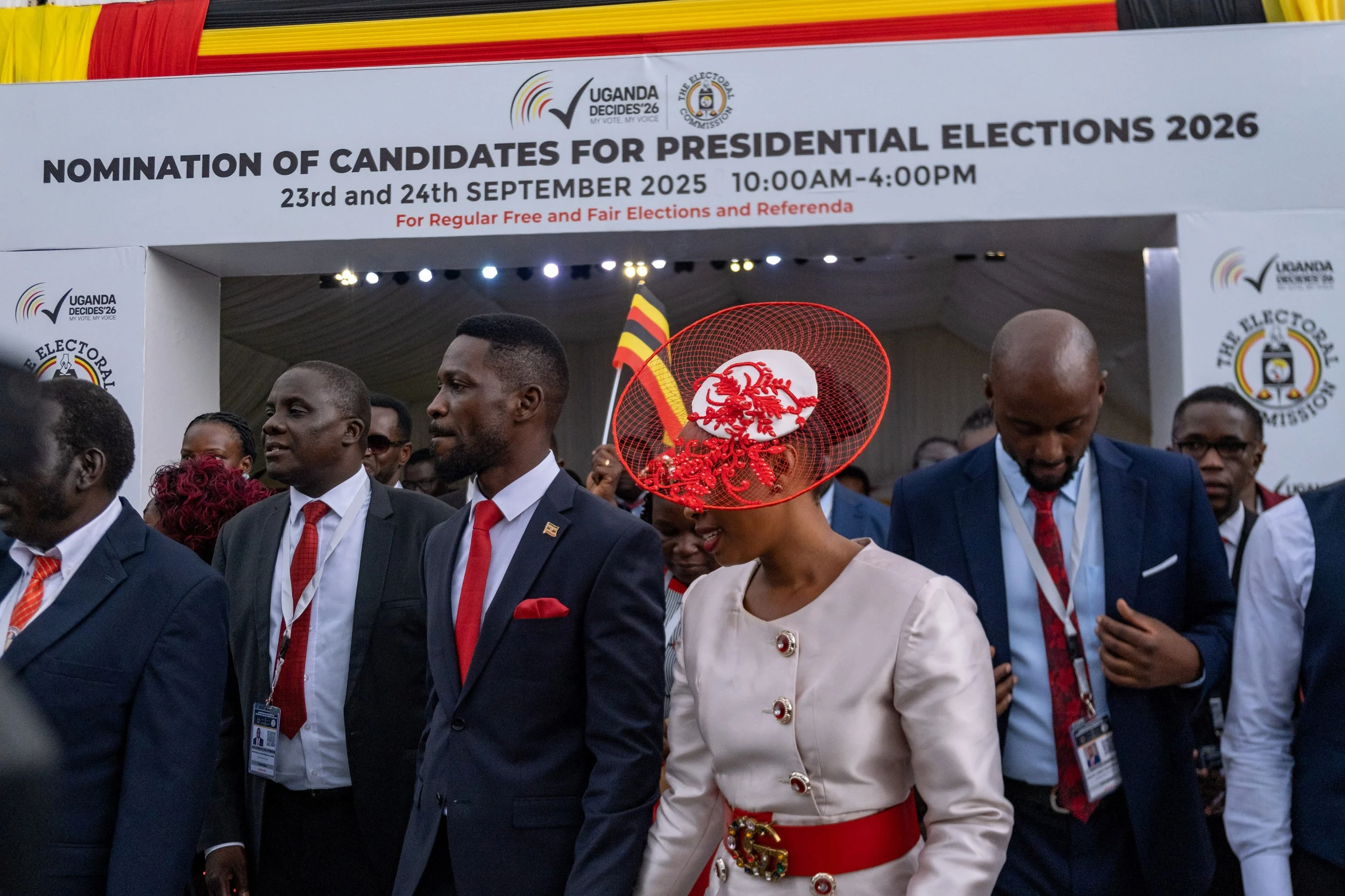
The response from Uganda’s civil society has been one of condemnation. The Uganda Law Society denounced what it called the “ongoing wave of detentions, torture and enforced disappearance” of opposition leaders and supporters. “No-one should be subjected to violence by security forces under the pretext of national security,” the society stated emphatically. This pattern is visible in the arrest of lawmaker Muwanga Kivumbi, a close Wine ally, for alleged election-related violence—charges the NUP denies.
Bobi Wine’s response to the general’s denial was pointed. On Monday, he posted on X that Kainerugaba was still looking for him “and issuing threats to harm me,” thanking the public for keeping him safe. “My wife is still recovering from the trauma of an overnight raid and assault… My home is still surrounded by the military,” he added. This ongoing standoff underscores the fragility of Uganda’s political landscape, where power has never changed hands peacefully since independence. President Museveni, who first came to power in 1986, is poised to extend his rule to 45 years by the end of his new term in 2031.
“The state’s focus on locating Bobi Wine has become the focal point for a campaign of intimidation,” noted a regional analyst speaking to the BBC on condition of anonymity. “The assault on his wife, whether officially sanctioned or not, sends a clear message to the opposition about the costs of resistance. The question of his whereabouts is now a matter of personal safety and political survival.”
International observers are increasingly alarmed. The vivid account of violence against a political figure’s family member, coupled with the military chief’s inflammatory rhetoric, marks a significant escalation. The general’s dismissive comment that women are “not worth our time” has drawn particular criticism for its derogatory nature. Meanwhile, the physical and digital siege of Wine’s home suggests authorities believe he remains a potent symbol and threat, hence the relentless pursuit of Bobi Wine whereabouts.
The situation remains fluid and dangerous. With the military leadership openly hostile and the opposition leader in hiding, the potential for further violence is high. The credibility of the state is being challenged not just by opposition politicians, but by firsthand testimonies of abuse. As Barbara Kyagulanyi recovers, her story has become a powerful indictment of the tactics being employed. The broader crackdown, detailed in reports of thousands detained and dozens killed, paints a picture of a nation attempting to cement electoral victory through coercion. For continuous updates on this developing story and other critical issues across the continent, stay with African News Desk.
Ultimately, the crisis extends far beyond the search for one man. It touches on fundamental issues of democracy, state violence, and accountability. The denial from General Kainerugaba stands in stark contrast to the evidence presented by the victim and the widespread reports of suppression. Until there is an independent, credible investigation into the raid and the broader post-election violence, the question of Bobi Wine whereabouts will remain intertwined with the question of Uganda’s democratic future. The world is watching to see if the nation will break its historic cycle and find a path toward peaceful political contestation, or if the current climate of fear and force will define its next chapter.
