

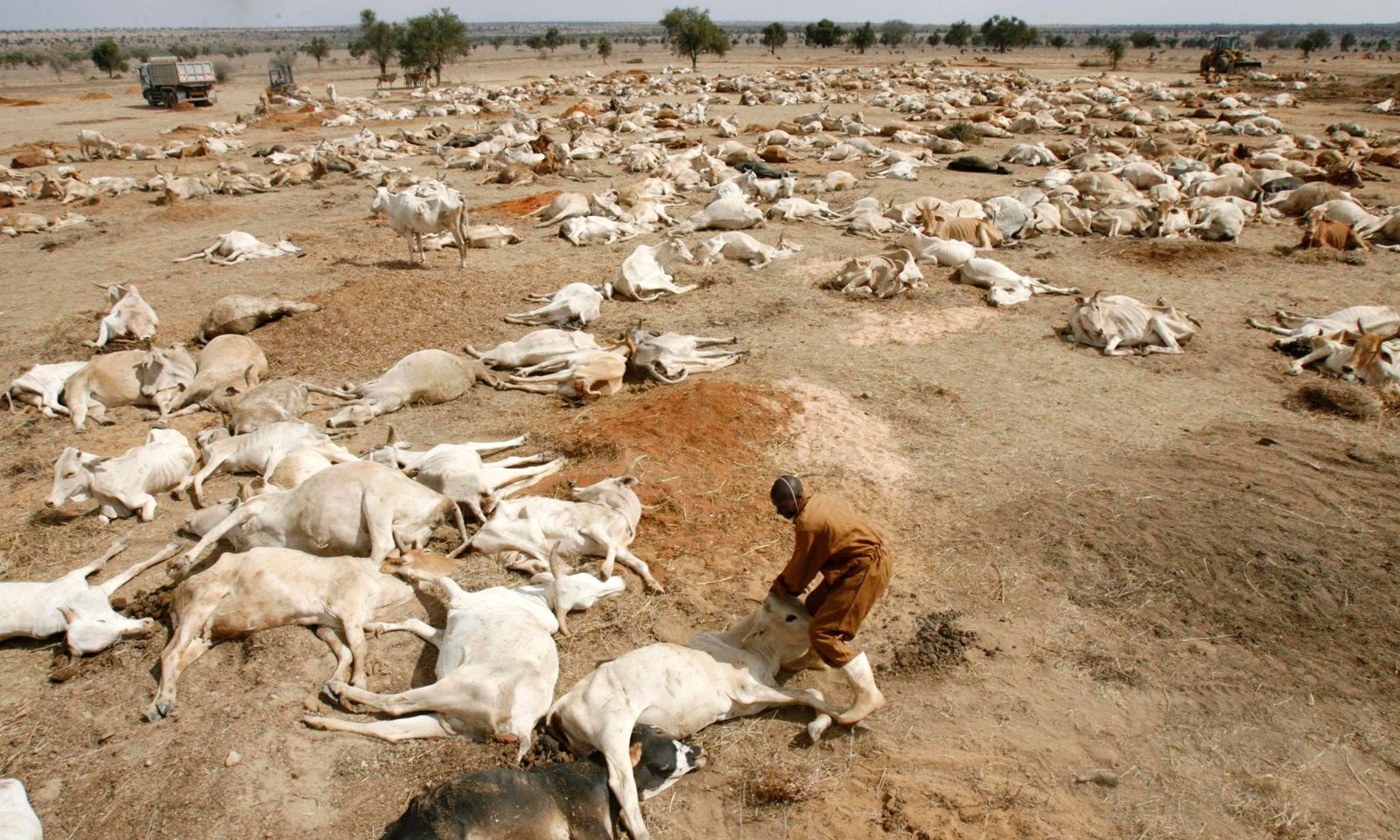
Crisis Beyond the Arid North: Unrelenting Drought Pushes Kenya to the Brink as Livestock Deaths in Kenya Mount
NAIROBI, Kenya – A devastating drought, amplified by the failure of consecutive rainy seasons, is tightening its grip on Kenya, expanding beyond traditional arid zones and pushing northern and eastern regions into a full-blown crisis. According to the latest assessment from the Famine Early Warning Systems Network (FEWS NET), pastoral communities are bearing the brunt as the Kenya drought 2026 event decimates herds and slashes household incomes, with recovery now hinging on uncertain forecasts for the crucial March-to-May long rains. The situation, detailed by Eastleigh Voice, has escalated to the point where areas like Mandera County are under a declared drought emergency, while nine other counties, including some in central and southern regions, are on high alert.
The root cause is the catastrophic failure of the October-December 2025 short rains, which the World Health Organization reported delivered only 30-60% of the long-term average, making it the driest such season since 1981 in parts of eastern Kenya. This rainfall deficit, compounded by above-average temperatures, has led to acute and widespread shortages of water and pasture. As reported by Africanews, the drought’s geographical spread is particularly alarming, now severely affecting counties like Kitui, Kajiado, and Kilifi, which are historically less prone than the arid north. This expansion signals a climate shock of significant magnitude, testing national resilience and threatening to reverse developmental gains in vulnerable communities.
The Pastoralist Catastrophe: Herds, Hunger, and a Vanishing Lifeline
For Kenya’s pastoralist communities, such as the Maasai, the drought is an existential threat. Livestock are not merely assets but the foundational pillar of nutrition, income, savings, and cultural identity. The current conditions have shattered this lifeline. Animals are being forced to trek “atypically long distances” between dwind grazing areas and scarce water points, leading to catastrophic physical decline. This directly results in a sharp drop in milk production—a staple for pastoral families—and a reduction in livestock deaths in Kenya as weakened animals succumb to disease and exhaustion.
“As pasture, browse, and water become increasingly scarce, livestock are being forced to trek atypically long distances between grazing areas and watering points,” the FEWS NET update states, noting the direct link between environmental stress and declining animal health.
The economic domino effect is severe. With herds diminished and animals in poor condition, household incomes from livestock sales have plummeted. In the hardest-hit areas of Wajir and Mandera, poor animal body conditions have actually driven down livestock prices, creating a cruel double bind for families desperate to sell. The FEWS NET report categorizes these northern and eastern pastoral areas as being in “Crisis” (IPC Phase 3), where families are unable to afford sufficient food without “engaging in irreversible coping strategies.” This includes skipping meals, pulling children from school, and selling off vital assets at a loss, digging a deeper hole of poverty that will last long after the rains return.
Expanding Impact and a Precarious Path Forward
The crisis is not confined to pastoralists. Marginal agricultural areas, including Kitui and Makueni, are facing a third consecutive below-average production season, with dry conditions expected to bite hardest between February and March. Nationwide, staple food prices are soaring, with maize costing up to 18% above the five-year average, putting basic nutrition out of reach for more urban and peri-urban households. Households everywhere are resorting to extreme coping mechanisms: selling firewood and charcoal, engaging in short-term labor migration, borrowing money, and increasingly relying on remittances.
The WHO noted the severity of the climatic trigger, stating the failed short rains led to “the driest season on record since 1981 in parts of eastern Kenya,” explaining the unprecedented spread of the drought into central and southern counties.
The international dimension adds to the concern, with neighboring Somalia, Tanzania, and Uganda facing similar weather patterns and rising food insecurity, potentially straining regional response resources. All hope is now pinned on the performance of the upcoming March-May long rains, which FEWS NET cautiously notes are “currently expected to be average.” However, the organization underscores the “high uncertainty,” with forecast models showing “no clear favourability.” An average or above-average rainy season would support a gradual recovery of pasture, water sources, and crop production. Another failure would be catastrophic, likely pushing vast regions into even more severe “Emergency” levels of food insecurity. For ongoing, localized reporting on the drought’s impact and the relief efforts, follow our dedicated Kenya news desk.
The Kenya drought 2026 event is a stark lesson in climate vulnerability. It demonstrates how increasingly erratic weather patterns can overwhelm traditional coping mechanisms and spread suffering into new regions. The mounting livestock deaths in Kenya represent more than an agricultural loss; they signify the erosion of a way of life and a primary economic buffer for millions. The response required must be immediate, to save lives and livelihoods through food aid, water trucking, and livestock feed, but also long-term. It demands sustained investment in climate-resilient agriculture, robust pasture management, alternative livelihoods for pastoralists, and water harvesting infrastructure. Kenya stands at a precarious juncture, where the decisions made now—in disaster response and in climate adaptation—will determine how the nation weathers the even greater shocks the future may hold.
