

Mwangi Enters Presidential Race, Calls for Grassroots Mobilization in Kenya’s Shifting Political Landscape
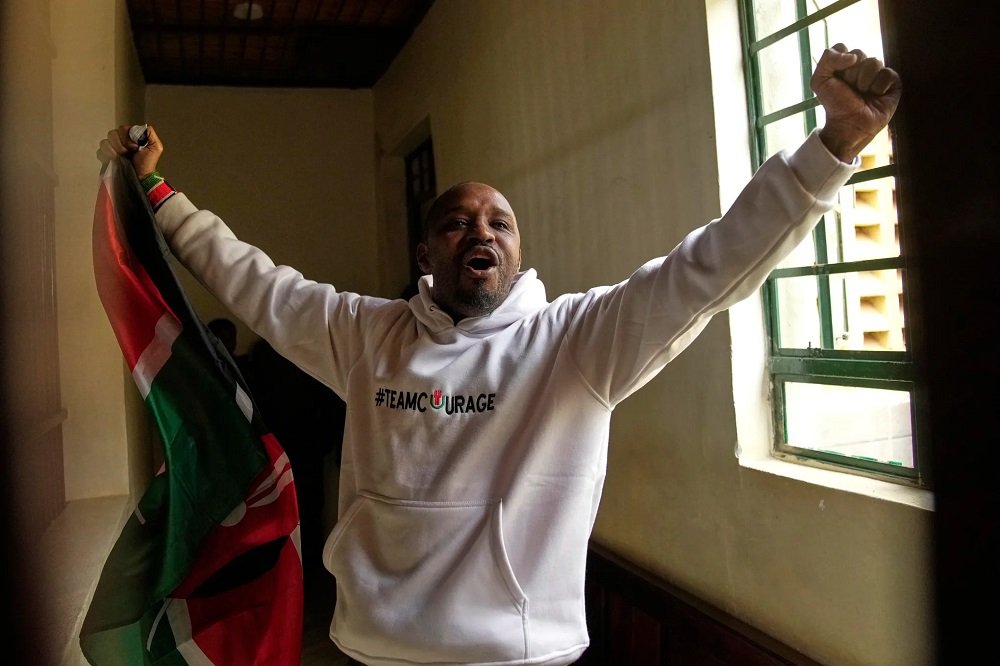
NAIROBI, Kenya – In a move that signals a potential shift in Kenya’s political dynamics, prominent figure Mwangi has formally launched his presidential bid with a passionate appeal for public support. Speaking at a rally in Nairobi on Wednesday, Mwangi positioned himself as a candidate of change, aiming to galvanize a broad coalition of supporters ahead of the upcoming elections. His entry into the race introduces a new variable in what promises to be a highly competitive electoral contest.
“This campaign is not about me—it is about us, about our shared future, and about the Kenya we want to build together,” Mwangi declared before a crowd of enthusiastic supporters. “I am here to answer the call of countless Kenyans who are yearning for leadership that is accountable, compassionate, and truly dedicated to solving the everyday challenges facing our people.” His speech emphasized economic empowerment, anti-corruption reforms, and national unity as the central pillars of his platform.
Mwangi’s appeal for grassroots support appears to be a strategic effort to distinguish himself from established political dynasties that have long dominated Kenyan politics. By framing his campaign as a “people-powered movement,” he is attempting to tap into widespread voter frustration with the status quo and position himself as a credible alternative to political veterans.
Background and Political Context
While Mwangi has been a significant figure in Kenyan public life for years, his decision to pursue the presidency marks a major escalation of his political ambitions. Analysts suggest his campaign will test whether a candidate can successfully build a national coalition without the backing of one of the country’s two main political alliances, which have traditionally structured Kenyan elections.
Kenya’s political environment remains highly polarized along ethnic and regional lines, though a growing urban youth population—increasingly frustrated with traditional politics—has shown willingness to support candidates outside established frameworks. Mwangi’s challenge will be to build bridges across Kenya’s diverse ethnic communities while maintaining his message of reform and change.
For context on Kenya’s complex political history and electoral system, BBC News provides a comprehensive overview of the nation’s political evolution since independence.
Key Campaign Issues and Policy Positions
Mwangi’s campaign launch highlighted several critical issues resonating with the Kenyan electorate:
Economic Revival and Job Creation: With youth unemployment remaining persistently high, Mwangi promised what he termed a “Marshall Plan for Kenyan Youth” that would prioritize digital skills training, support for small and medium enterprises, and targeted investments in emerging sectors like technology and green energy.
Anti-Corruption Measures: Capitalizing on public frustration with corruption, he pledged to strengthen independent institutions, enhance transparency in government procurement, and ensure accountability for public officials. “The era of impunity must end,” he stated emphatically.
Agricultural Reform: Recognizing agriculture’s crucial role in Kenya’s economy, Mwangi promised to modernize the sector, improve access to markets for smallholder farmers, and invest in climate-resilient farming practices to ensure food security.
Healthcare Access: His platform included commitments to expand healthcare coverage and improve facilities nationwide, particularly in rural areas that have historically been underserved.
The Challenge of Coalition Building
Political analysts note that while Mwangi’s message may resonate with many Kenyans, the practical realities of Kenyan politics require building broad alliances. Successful presidential candidates have typically needed to form coalitions that balance ticket representation across different regions and ethnic communities.
“The appeal to grassroots support is politically astute, but the question remains whether Mwangi can translate enthusiasm into the organizational capacity needed to compete nationally,” noted Dr. Auma Okombo, a political science professor at the University of Nairobi. “Kenyan elections are won through meticulous organization at the constituency level as much as through national messaging.”
The coming months will reveal whether Mwangi can secure endorsements from established regional leaders and build the network of supporters necessary to mount a credible nationwide campaign. His ability to raise sufficient funds without alienating his anti-establishment message will also be critical to his campaign’s viability.
For deeper analysis on coalition building in African politics, The Brookings Institution offers relevant research on how political alliances form in diverse societies.
Public Reaction and Early Support
Initial responses to Mwangi’s announcement have been mixed but notably energetic on social media platforms, where #MwangiForPresident began trending shortly after his speech. Younger Kenyans in particular have expressed enthusiasm for his message of generational change, though some political veterans have questioned his level of experience and national recognition.
“We’ve heard promises before, but there’s something different about Mwangi’s approach,” said university student Lynette Mwende. “He’s speaking directly to issues that affect my future—jobs, corruption, and better opportunities. I’m willing to give him a chance.”
Conversely, some older voters expressed skepticism about whether an independent candidate could realistically challenge the well-established political machines. “Politics in Kenya is about numbers and organization,” remarked Joseph Kamau, a small business owner in Nairobi. “I like what he says, but I need to see how he plans to win beyond just speeches.”
The Road Ahead
As Kenya moves closer to election season, Mwangi’s campaign faces several critical tests: consolidating support beyond his initial base, developing detailed policy proposals, and building the organizational infrastructure necessary to compete across Kenya’s 47 counties. The coming months will also reveal whether other candidates emerge to challenge both the established parties and Mwangi’s bid as an alternative.
What remains clear is that Mwangi’s entry has already begun to alter the political conversation in Kenya. Whether his appeal for public support can translate into a viable presidential bid will depend on his ability to navigate Kenya’s complex political terrain while maintaining the momentum of his initial announcement.
As one political commentator noted, “Mwangi has thrown the first stone in what promises to be a fascinating political contest. The ripples will be felt across the established political parties, potentially forcing them to reconsider their own platforms and outreach strategies.” For a country with a vibrant democracy and history of competitive elections, the addition of a serious independent candidate promises to make the upcoming race particularly compelling.
