

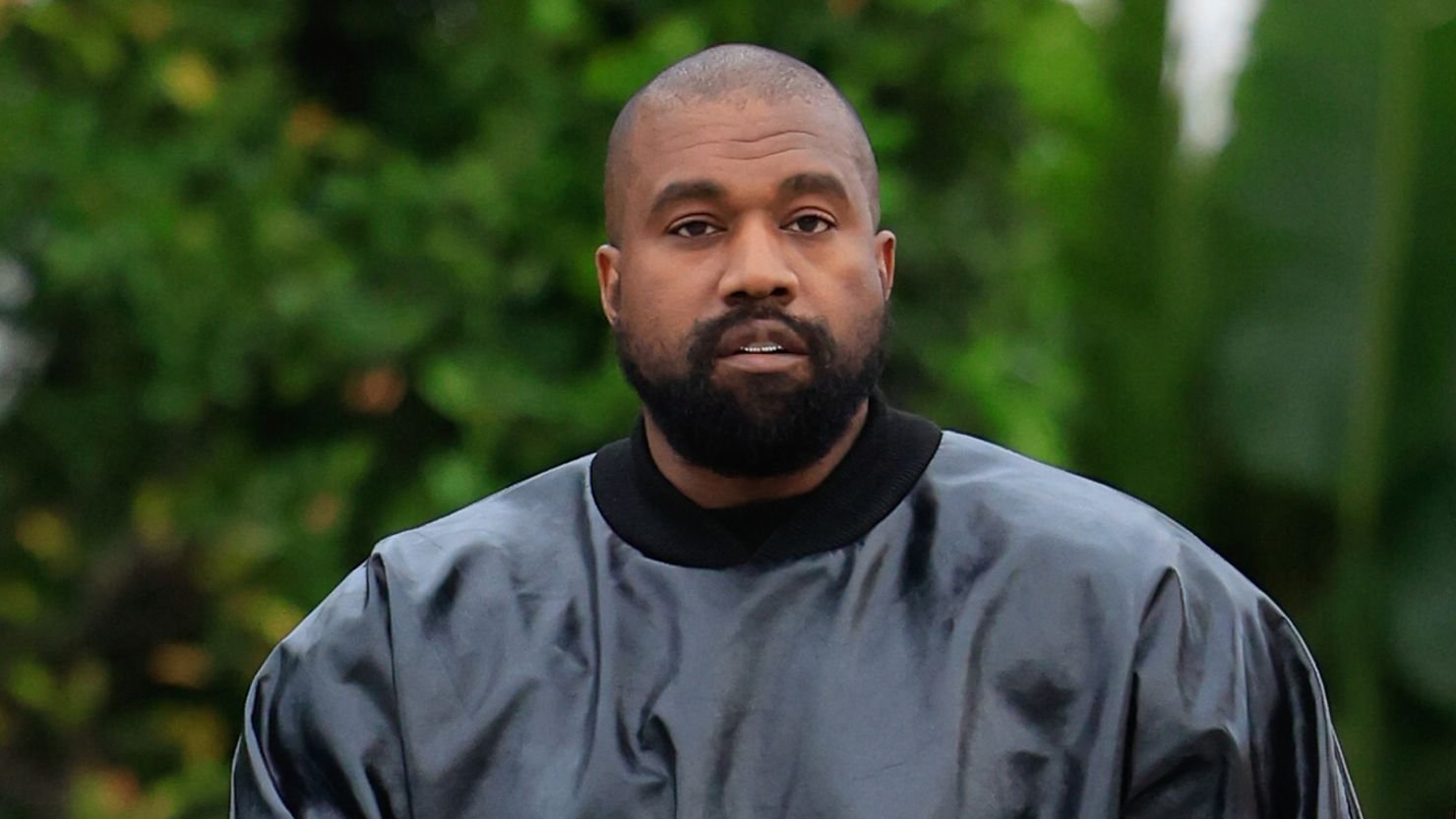
Kanye West’s South African Concert Announcement Sparks Scam Allegations and Promoter Backlash
JOHANNESBURG – The South African entertainment scene was set ablaze with a mixture of excitement and immediate skepticism following the announcement of a series of concerts headlined by controversial global superstar Kanye West. The events, promoted under the banner “Kanye West Live in South Africa,” were slated for major stadiums in Johannesburg, Durban, and Cape Town. However, within hours of the announcement, the initial buzz was drowned out by a chorus of accusations labeling the tour a sophisticated scam, prompting a frantic response from the organizers and leaving thousands of hopeful ticket-buyers in a state of confusion and doubt.
The controversy erupted when promotional materials, including professionally designed posters and social media campaigns, began circulating online. The ads featured Kanye West and claimed tickets would go on sale shortly for events in December 2025. The scale of the proposed tour, coupled with Kanye’s notoriously complex booking history and the lack of a verified announcement from his official channels, immediately raised red flags. Industry experts and fans alike took to social media to point out inconsistencies, with many noting that an event of this magnitude would typically be announced through major international platforms and confirmed by the artist’s team first. The skepticism was so widespread that it became a topic of discussion on major radio shows, including East Coast Breakfast on ECR, where hosts debated the legitimacy of the promotion.
The Anatomy of a Suspected Scam
The allegations of a scam were rooted in several key factors. Firstly, the official websites and social media accounts for the tour appeared to have been created very recently, lacking the history and verification badges associated with legitimate large-scale event promoters. Secondly, the contact information provided was vague, and there was no clear link to established South African promotion companies like Big Concerts or 5FM, who would typically be involved in an event of this scale. This led many to believe the entire operation was a “bait-and-switch” tactic designed to harvest personal data and credit card information from unsuspecting fans.
Further fueling the fire was the timing and Kanye West’s own profile. The artist, now known as Ye, has been embroiled in numerous controversies in recent years, leading to canceled tours and severed brand partnerships. The idea that he would quietly announce a massive three-city stadium tour in South Africa without the typical global media rollout seemed highly improbable to industry insiders. Critics argued that the promoters were exploiting the fervent desire of South African fans to see a global icon on their soil, using the hype to create a facade of legitimacy for a fraudulent scheme. The term “scam” trended on South African Twitter, with users dissecting every element of the promotional material.
“Is this Kanye West SA tour the biggest scam of the year? Everything about it feels off. The websites are new, there’s no major promoter attached, and there’s been zero confirmation from Ye’s camp. It has all the hallmarks of a well-organized scam targeting eager fans,” commented a presenter on East Coast Breakfast, capturing the prevailing sentiment.
The potential risks for fans were significant. Beyond the immediate financial loss of purchasing non-existent tickets, there was a grave danger of phishing and identity theft. Fake ticketing sites can be designed to capture sensitive personal and financial data, which can then be used for malicious purposes. The rapid spread of the scam allegations, therefore, served as a crucial public service warning, urging extreme caution.
Promoters Break Silence: Defending the Dream
Faced with a torrent of negative publicity and mounting public anger, the event’s promoters, a relatively unknown entity, were forced to break their silence. In statements to the media, they vehemently denied the scam allegations, insisting that the tour was genuine and in the advanced planning stages. They acknowledged the public’s skepticism but attributed it to the unconventional nature of their rollout and their status as a new player in the promotion landscape.
According to a report by SA People, the promoters claimed to have a direct line to Kanye West’s management and argued that their approach was a deliberate strategy to build grassroots excitement before a formal global announcement. They promised that concrete details, including verified ticketing links and a statement from Ye’s official representatives, would be forthcoming. They asked the public for patience and faith, stating that their goal was to bring a historic musical event to South Africa.
“We understand the skepticism, but we want to assure everyone that this is a legitimate event. We are working directly with the artist’s team, and we are following a specific rollout plan. The full announcement with all the verified details is imminent. We are as excited as the fans to bring Kanye West to South Africa,” a spokesperson for the promoting company told SA People.
However, their defense did little to immediately quell the doubts. The lack of any supporting evidence or a confirmatory tweet from Kanye West himself kept the controversy alive. Industry veterans remained unconvinced, pointing out that legitimate promoters secure venues and have insurance in place long before public announcements are made, precisely to avoid such credibility crises. The silence from Kanye’s camp was deafening and, for many, the most damning evidence against the tour’s legitimacy.
As the story developed, the narrative became a classic battle of claim versus credibility. On one side, an ambitious but unproven promotion team asking for trust. On the other, a skeptical public and industry hardened by past experiences with failed concert announcements and online fraud. The situation highlighted the immense challenges of promoting global superstars in emerging markets and the critical importance of transparency in the digital age, where misinformation can spread faster than official announcements.
For South African fans, the episode was a rollercoaster of emotion—a fleeting moment of excitement followed by a frustrating wait for the truth. Whether the “Kanye West Live in South Africa” tour proves to be a groundbreaking reality or the “biggest scam of the year,” as some feared, remains to be seen. But the controversy has already delivered a stark lesson on the perils of hype and the essential need for verification in an era where seeing is not always believing.
