

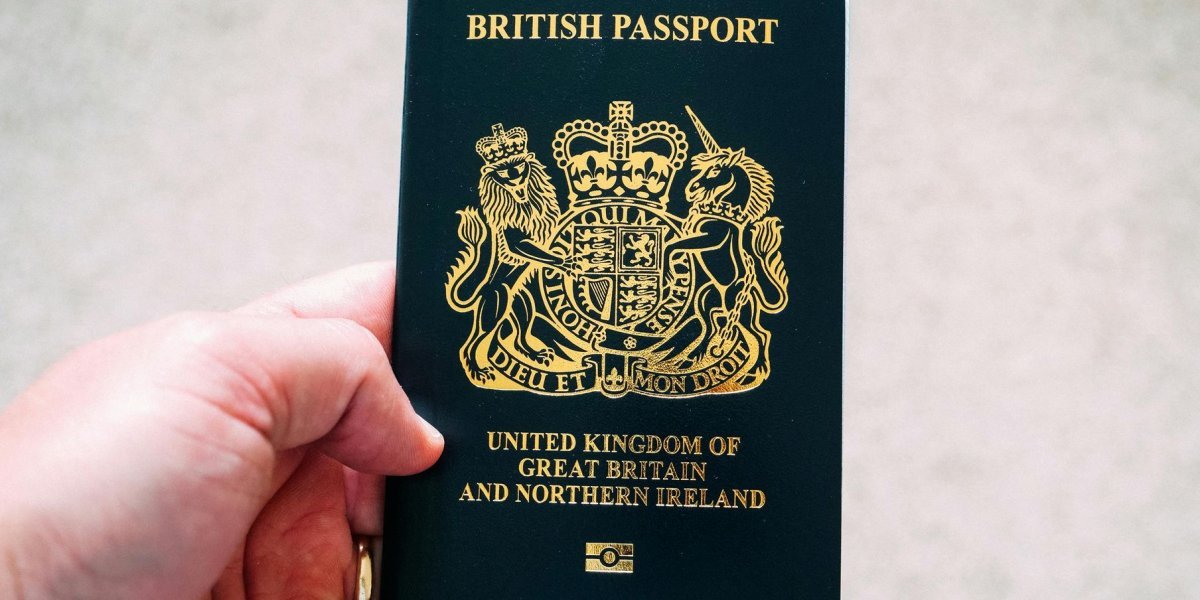
UK Passport Holders Issued Critical Warning: The Essential Backup Plan for 2025 Travel
British tourists planning overseas trips are being urged by the Foreign, Commonwealth & Development Office (FCDO) to implement a critical “backup plan” for their travel documents. The warning highlights a growing trend that has left countless holidaymakers stranded and facing significant disruption: the over-reliance on digital copies of passports and a lack of preparation for the strict entry rules enforced by popular destinations.
The advice comes as travel reaches post-pandemic peaks, with airlines and border control agencies reporting a surge in passengers being denied boarding because their passports do not meet specific criteria. The issue is not merely about having a valid passport, but understanding the often-hidden requirements that vary from country to country.
The Six-Month Rule and the Hidden Pitfall for Travellers
Many British travellers are familiar with the need for their passport to be in date, but a far more common point of failure is the ‘six-month rule’. A significant number of countries, including key holiday spots like Spain, France, Italy, and Greece, require that a UK passport be valid for at least three months beyond the intended date of departure from that country. However, an even stricter cohort, including popular long-haul destinations such as Thailand, Singapore, and the United Arab Emirates, demand that your passport has a full six months of validity remaining on the day you arrive.
This rule catches out thousands of Brits each year. A passport that expires in four months’ time may seem perfectly adequate for a two-week holiday, but it will likely be rejected at the airport check-in desk, barring you from travelling altogether. The financial and emotional cost is immense, resulting in lost holidays, wasted accommodation bookings, and last-minute scrambles for emergency travel documents.
“Travellers are being caught out by the six-month validity rule. We see it time and again where individuals arrive at the airport with a passport that is technically in date but doesn’t meet the specific entry requirements of their destination country. It’s a devastating and entirely avoidable situation,” a spokesperson for a major UK airline was quoted as stating in a recent Liverpool Echo report.
The problem is compounded by the post-Brexit travel landscape. While UK passports were once subject to European Union freedom of movement rules, they are now treated as third-country documents, meaning these validity rules are applied more stringently. The FCDO’s travel advice pages for each country are the definitive source for this information, and checking them should be the first step in any holiday planning process.
Why a Digital Copy Isn’t Enough: The Physical Document Imperative
Another key part of the FCDO’s warning addresses a modern misconception: the belief that a photograph of your passport on your smartphone is a sufficient backup. While having a digital copy is a recommended step to aid authorities in identifying you if your passport is lost or stolen, it is utterly useless for crossing international borders. No airline or border force will accept a digital image as a valid travel document.
The insistence on carrying the physical, original passport is non-negotiable. The document contains embedded security features, such as biometric chips, that are essential for verification. Relying on a digital copy alone is a sure-fire way to be refused travel. The Mirror highlights that this is a frequent mistake, particularly among younger travellers accustomed to a digital-first world. The physical passport must be carried on your person, kept secure, and be readily accessible throughout your journey.
“A photo of your passport on your phone is helpful if you need to get emergency replacement documents from a consulate, but it will not get you through border control or onto a plane. You must have the original, physical document with you. There are no exceptions to this rule,” a Foreign Office official emphasised.
This underscores the necessity of the broader UK passport backup plan. This plan is a multi-layered approach to document security that goes beyond simply checking an expiry date. It involves proactive measures taken weeks or even months before travel.
Building Your Comprehensive UK Passport Backup Plan
So, what does a robust UK passport backup plan actually look like? It is a series of simple but crucial steps designed to prevent travel chaos.
Step 1: The Early Validity Check
As soon as you start considering a trip, check your passport’s expiry date. Do not wait until you book flights or hotels. If your passport expires within a year, it is highly advisable to renew it immediately. The Passport Office can experience delays, particularly during peak seasons, so applying early is key. Remember to check the specific entry requirements for your destination on the FCDO website, focusing on the validity period needed.
Step 2: Secure Physical Storage and Access
Your passport is your most valuable travel item. Treat it as such. Invest in a quality, RFID-blocking travel wallet or pouch. When not going through border control, keep your passport in a secure location, such as a hotel safe. Never leave it unattended on a beach or in a rental car. However, always know exactly where it is so you can produce it immediately when required.
Step 3: Create a Digital and Physical Backup File
While the digital copy won’t get you on a plane, it is invaluable in an emergency. Take a clear, well-lit photograph of the photo page of your passport. Email this photo to yourself and a trusted family member or friend back home. Additionally, make two physical photocopies of your passport. Keep one copy separate from your original passport in your luggage, and leave the other copy with someone at home. This provides multiple recovery points if the original is lost.
Step 4: Know the Emergency Procedures
Part of a good backup plan is knowing what to do if things go wrong. Research the location and contact information for the nearest British embassy or consulate in your destination country. Save these details in your phone and also write them down on one of your photocopies. If your passport is lost or stolen, reporting it immediately to local police and then contacting the embassy is the standard procedure for obtaining an Emergency Travel Document (ETD).
In conclusion, the recent warnings from the Foreign Office are a timely reminder that international travel requires meticulous preparation. The concept of a UK passport backup plan is not an overreaction but a necessary strategy in today’s complex travel environment. By checking validity rules months in advance, respecting the absolute necessity of the physical document, and creating a layered system of backups, British travellers can protect their investments and ensure their well-deserved holidays begin without a hitch. A few minutes of preparation could be all that stands between a dream vacation and a nightmare at the airport.
