

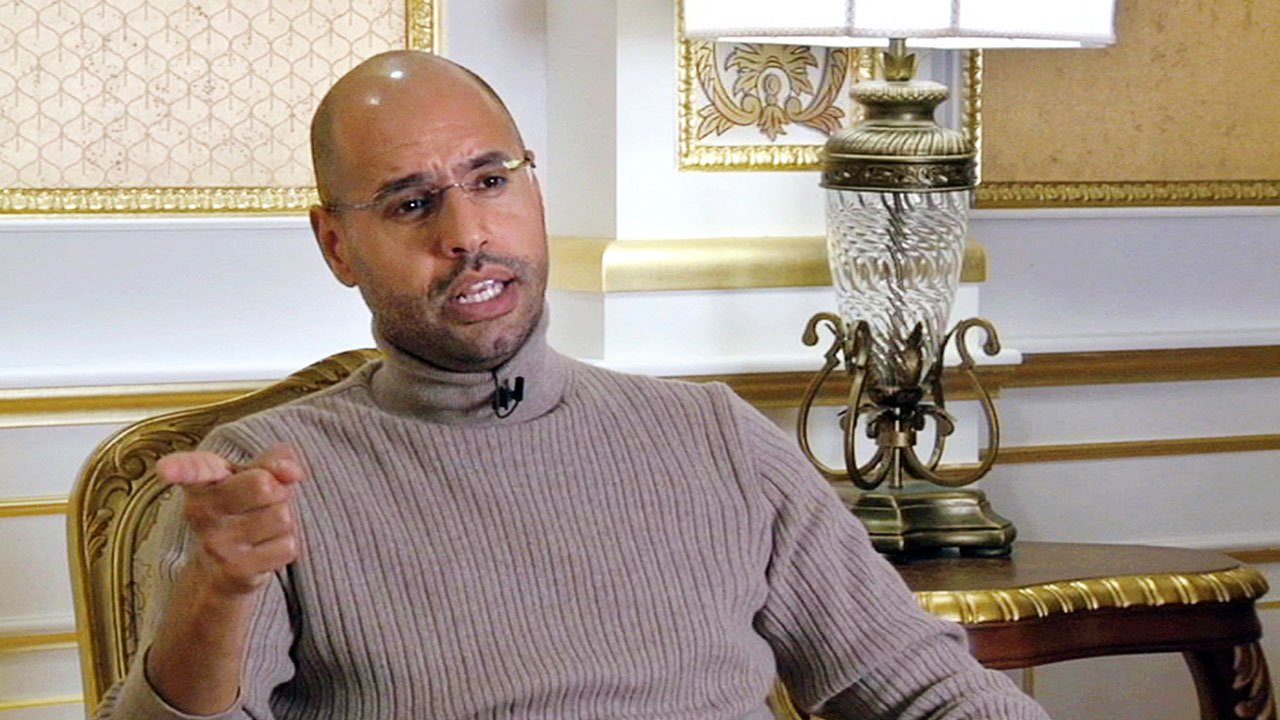
The Assassination of Saif al-Islam Gaddafi: A Divisive Figure Killed in a Divided Libya
ZINTAN, Libya – Saif al-Islam Gaddafi, the enigmatic son and one-time heir apparent of the late Libyan dictator Muammar Gaddafi, has been killed in an attack at his home near Zintan, officials confirmed this week. The 53-year-old, who evolved from a Western-educated reformer into a central, polarizing figure in the country’s post-revolution chaos, died from gunshot wounds inflicted by masked assailants. His death, reported by The Guardian, marks a violent end for a man who was once the second most powerful person in Libya and whose fate was inextricably linked to the nation’s turbulent trajectory since the 2011 uprising that toppled his father. The Saif al-Islam Gaddafi death now threatens to inflame the country’s deep-seated divisions, removing a potent symbolic figure whose mere presence shaped the political landscape for over a decade.
According to his office, four masked men stormed his residence, disabled security cameras, and clashed with him before carrying out what they termed a “cowardly and treacherous assassination.” The Libyan attorney general’s office stated it was investigating and had dispatched forensic teams to the scene. Conflicting initial reports, including a claim from his sister that he died near the Algerian border, highlighted the opaque and volatile security environment. Former political leader Khaled al-Mishri demanded an “urgent and transparent investigation” into the killing, a call echoing across a nation with little faith in unified state institutions. For ongoing analysis of major political and security developments across the continent, follow our coverage at African News Desk.
From Reformer to Revolt: The Metamorphosis of an Heir
Saif al-Islam Gaddafi’s life and legacy are a study in dramatic contradiction. Educated at the London School of Economics, he was groomed as the modernizing, pro-Western face of his father’s regime. For years, he styled himself as a reformer, leading diplomatic efforts to dismantle Libya’s weapons of mass destruction programs and advocating for constitutional change. This carefully cultivated image shattered completely in 2011 when popular protests erupted against his father’s four-decade rule. Instead of ushering in reform, Saif al-Islam became a chief defender of the regime, threatening catastrophic violence against those who sought to overthrow it.
“We fight here in Libya, we die here in Libya,” he told Reuters in 2011, fully backing his father’s violent crackdown. This pivot from reformer to enforcer led the International Criminal Court (ICC) to issue a warrant for his arrest on charges of crimes against humanity—a warrant that remained active at the time of his death.
His capture later that year by Zintani militias while attempting to flee to Niger became an iconic moment. The man once seen in jeans and sweaters was found dressed in flowing nomadic robes, with a thick beard and a bandaged hand injured in a NATO airstrike. He was imprisoned in Zintan for six years, not by a national authority but by the local militia that caught him, a testament to Libya’s fractured sovereignty. His release in 2017, part of a local amnesty deal, demonstrated the power of localized militias over national law and international justice, setting the stage for his controversial re-emergence into political life.
A Symbol in the Shadows: The Political Power of a Ghost
Despite holding no formal office after 2011, Saif al-Islam Gaddafi remained one of the most symbolically potent figures in Libyan politics. His name evoked fierce loyalty from remaining Gaddafi loyalists and tribes, and equally fierce hatred from those who suffered under the old regime and the militias that helped overthrow it. His brief and controversial attempt to run in the 2021 presidential elections laid these divisions bare. His candidacy announcement provoked outrage and was ultimately disqualified due to his 2015 conviction in a Tripoli court for war crimes, though the election itself later collapsed. His very existence was a rallying point and a destabilizing force.
Analysts warned his death “could inflame pro-Gaddafi factions in the country,” potentially triggering retaliatory violence or hardening resistance among his supporters against the existing rival governments in Tripoli and the east.
The circumstances of the Saif al-Islam Gaddafi death—a targeted attack in a region with complex loyalties—point to the murky, militia-dominated warfare that has defined Libya for 15 years. It was not a death on a conventional battlefield but an assassination, underscoring the personal and factional nature of the conflict. His killing eliminates a figure who, for better or worse, represented a specific thread in Libya’s national narrative. For his supporters, he was a link to a more stable, if authoritarian, past and a potential unifying leader. For his opponents, he was a war criminal who escaped justice, a ghost of the old regime that needed to be exorcised.
His death leaves a vacuum in an already fragmented political scene. While he was not a sitting ruler, he was a constant “what if” in Libyan calculations, a candidate-in-waiting whose potential return to power frightened some and inspired others. With that figure now gone, the already complicated negotiations between eastern and western factions, and among countless militias, lose one major variable. However, rather than pave the way for reconciliation, his martyrdom at the hands of unknown assailants may deepen the wounds. It reinforces a cycle of vengeance and score-settling that has prevented national healing. The investigation demanded by officials may never provide satisfactory answers in a country with multiple power centers and little judicial independence. Ultimately, the Saif al-Islam Gaddafi death is not an endpoint for Libya’s turmoil but another violent episode in its unfinished story, a reminder that the ghosts of 2011 still haunt the nation’s present and will likely shape its uncertain future.
