

Burkina Faso Strikes Gold: Record Output Fuels Nationalist Vision as Traoré Consolidates Power
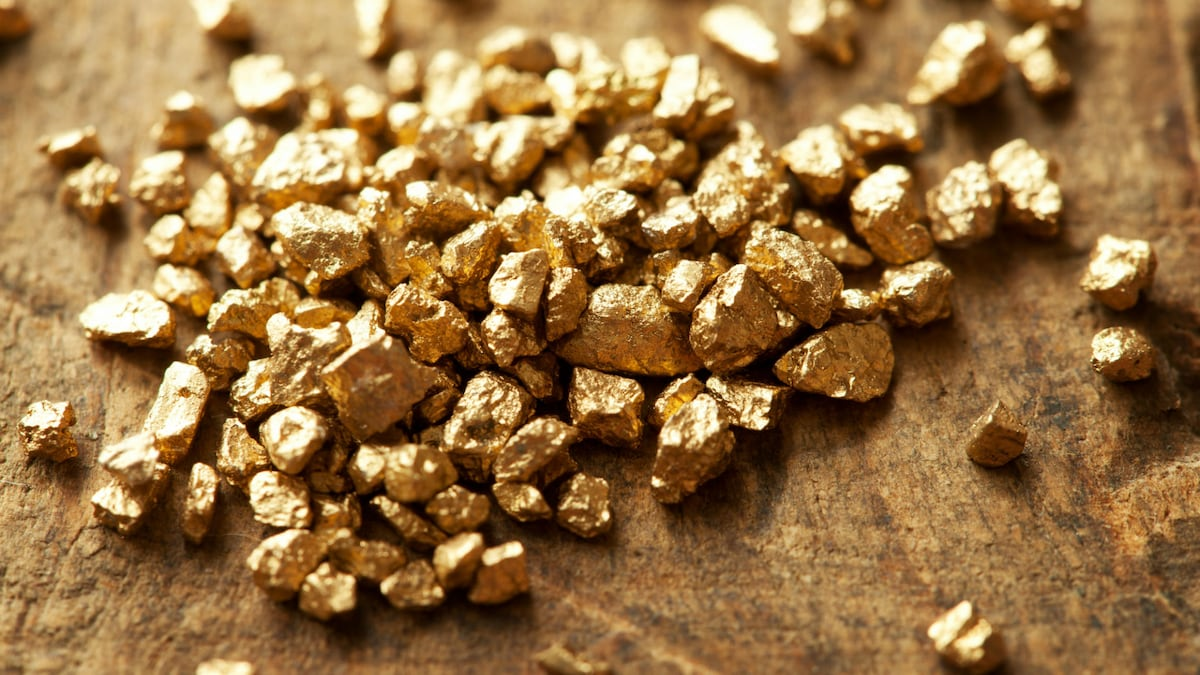
OUAGADOUGOU, Burkina Faso – In a year marked by political consolidation, severed colonial ties, and a sweeping resource nationalism campaign, Burkina Faso has announced a historic milestone: 94 tonnes of gold produced in 2025, the highest annual output in the nation’s history. The record figure, reported as the military-led government under Captain Ibrahim Traoré tightens its grip on the mining sector, represents both an economic triumph and a geopolitical statement. As foreign investors are pushed toward less favorable terms and nationalized mines increasingly fall under state control, the Burkina Faso gold sector has become the financial engine of a defiant, self-reliance agenda that is reshaping the Sahel.
The achievement, reported by News Arena India, follows a production slump caused by post-coup instability that previously scared off international capital. Now, with a combination of coercion and nationalist appeal, the Traoré government has reversed the decline. Five gold mines have been nationalized, state profit shares from foreign-operated sites have been increased, and ambitious plans for ten new semi-mechanized mines—led exclusively by local investors—are scheduled for 2026. This aggressive resource nationalism is not merely economic policy; it is the cornerstone of a broader ideological project to “reclaim” Burkina Faso gold and sovereignty from perceived neo-colonial exploitation. For comprehensive, on-the-ground analysis of this unfolding transformation, follow our dedicated coverage at African News Desk.
The Double-Edged Sword: National Pride vs. Authoritarian Drift
For supporters of Captain Traoré, the 37-year-old junta leader who seized power in September 2022, the gold record is definitive proof that his anti-imperialist, pan-Africanist vision is delivering tangible results. They point to a landscape of visible change, described in accounts such as The Daily Scrum News, where infrastructure projects are accelerating, schools are reopening, and communities feel “finally included in national planning.” Supporters argue that for decades, foreign companies extracted Burkinabe wealth while leaving little for the people. The nationalization drive, they contend, redirects mining revenue toward public goods and strengthens the state’s capacity to fight a devastating jihadist insurgency that still controls significant territory.
“The decision to bring more control over resources into national hands has been framed as a reclaiming of economic independence,” the report notes, capturing a widespread sentiment that the country is finally “standing on its own feet.”
However, this nationalist narrative is deeply contested. The same government that celebrates record Burkina Faso gold output has simultaneously dissolved all political parties, suspended independent media including the BBC and Voice of America, scrapped the Independent National Election Commission, and postponed elections until 2029—a decision boycotted by most opposition parties. Critics, including the United States military’s AFRICOM chief General Michael Langley, have accused Traoré of using gold reserves for “political motives rather than general welfare.” The junta’s image management has extended into the digital sphere, where concerns have been raised about a “cluster of deepfake videos” showing world leaders and celebrities praising Traoré, contributing to a pro-junta disinformation campaign.
Geopolitical Earthquake: From Paris to Moscow and the Alliance of Sahel States
The gold boom is inseparable from Burkina Faso’s dramatic geopolitical realignment. Since severing military ties with former colonial power France in 2023, expelling French troops and diplomats, and suspending French broadcasters RFI and France 24, Traoré has pivoted sharply toward Russia. This shift mirrors moves by neighboring Mali and Niger, with whom Burkina Faso formed the breakaway Alliance of Sahel States (AES) in 2023, withdrawing from the broader ECOWAS bloc. The three military-led nations have also jointly withdrawn from the International Criminal Court, branding it a “neo-colonial imperialist tool.”
The AES has “collectively ended free trade in the region and imposed a tariff of 0.5 per cent on goods coming into their country,” marking a fundamental restructuring of West African economic relations.
This geopolitical rebellion has significant implications for the gold sector. As Western investors face tighter regulations and reduced profit margins, Russian and other non-Western entities are reportedly positioning themselves to fill the void. While the government emphasizes “local investment,” the logistical and technical demands of expanding production to ten new semi-mechanized mines will require external expertise and capital. Whether this comes from state-aligned Russian firms or other partners will define the next phase of Burkinabe resource extraction. The International Monetary Fund, while acknowledging documented human rights concerns and security lapses, has grudgingly admitted the regime has made “commendable progress in raising domestic revenue”—a tacit recognition that the nationalist economic model is, for now, generating results.
The parallel drawn by admirers between Traoré and Burkina Faso’s revolutionary hero Thomas Sankara—the Marxist leader assassinated in 1987—is both potent and perilous. Like Sankara, Traoré projects asceticism, anti-imperialism, and a focus on self-sufficiency. Unlike Sankara, who prioritized women’s rights, mass vaccination, and reforestation, Traoré’s legacy remains incomplete. His core mission—defeating the al-Qaeda and ISIS-affiliated insurgencies that have displaced millions and destabilized the Sahel—is far from accomplished. The security situation remains fragile, and jihadist groups continue to mount deadly attacks on both military and civilian targets.
The record 94 tonnes of Burkina Faso gold is thus both an achievement and a paradox. It funds a state engaged in a brutal counter-insurgency, fuels a charismatic leader’s consolidation of power, and buys the loyalty of citizens weary of instability. Yet it also exposes the junta to accusations of exploiting national wealth for personal and political survival while delaying democratic accountability. For the international community, particularly Western nations deeply concerned about the Sahel’s drift toward authoritarianism and Russian influence, the gold boom represents a strategic setback. For Traoré’s supporters, it is vindication. As the 2029 election deadline looms and the insurgency grinds on, the question is not whether Burkina Faso can produce gold, but whether gold can produce a stable, prosperous, and free Burkina Faso.
