

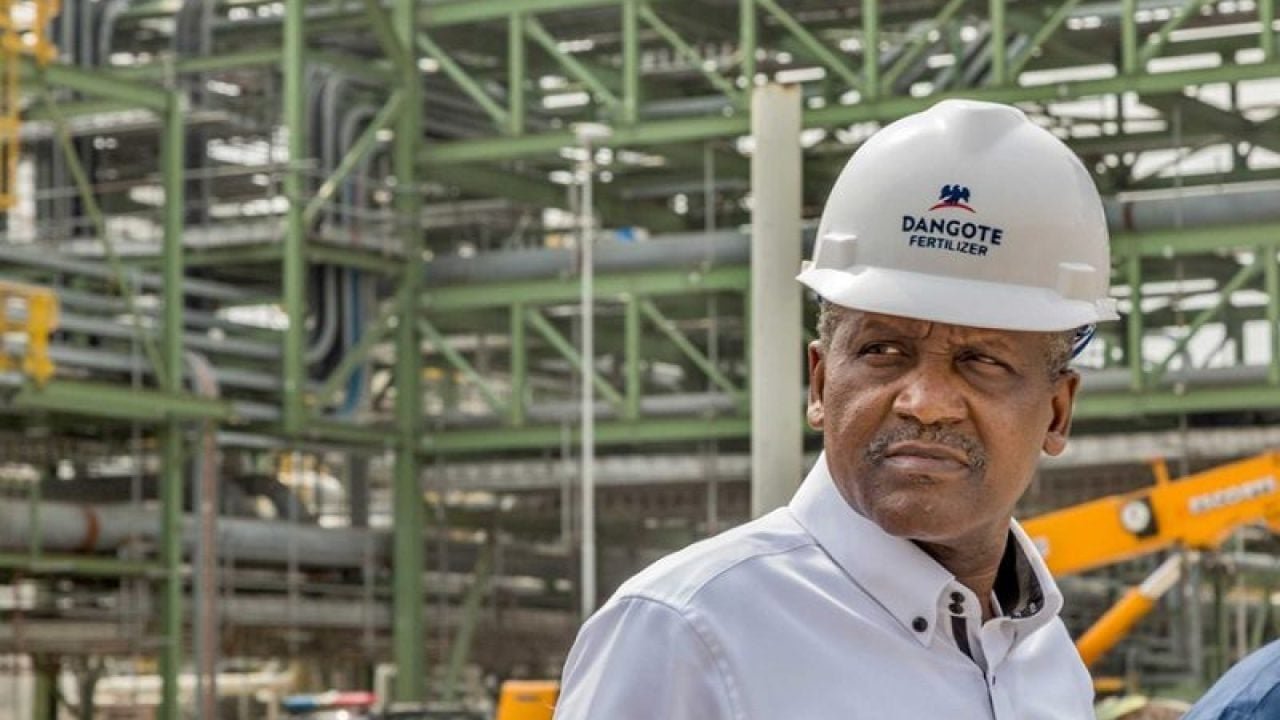
Dangote Refinery Faces Backlash as it Sacks Nigerian Workers, Allegedly Replaces Them with Indian Expatriates
Africa’s largest oil refinery, the Dangote Petroleum Refinery, is embroiled in a major controversy following its decision to terminate the employment of a significant number of Nigerian workers. The move has sparked a fierce dispute with the Petroleum and Natural Gas Senior Staff Association of Nigeria (PENGASSAN), which has accused the company of replacing local staff with Indian expatriates. This development has cast a shadow over the $20 billion facility, which has been hailed as a cornerstone of Nigeria’s industrial and economic transformation. The ongoing dispute raises critical questions about local content compliance, foreign labor, and the social responsibilities of mega-corporations in Nigeria, a topic of intense discussion on platforms like Nigeria news.
According to an initial report by Vanguard, the disagreement escalated when PENGASSAN officials confronted the refinery’s management over the alleged “mass sack” of Nigerians. The union claims that the termination exercises are not only widespread but are systematically making way for the employment of Indian nationals, a practice it vehemently condemns as a violation of local content principles. The situation highlights the tension between the global operational strategies of a multinational conglomerate and the expectations for local job creation that accompanied the refinery’s much-anticipated launch.
Management’s Rationale and the Scale of the Dangote Refinery Sack
The management of Dangote Refinery has publicly acknowledged the termination of employment for some staff but has strongly refuted the characterization of the actions as a “mass sack” or that it involves replacement with Indian workers. In a detailed explanation covered by Premium Times, the company framed the decision as a necessary strategic restructuring. A spokesperson for the refinery stated that the organization is currently in a transition phase, moving from major construction activities to full-scale operations and maintenance. This shift, they argue, necessitates a reorganization of the workforce to align with the current operational needs of the business.
The company insists that the Dangote Refinery sacks are part of a routine organizational realignment common in large projects worldwide. They emphasize that the rightsizing exercise is based on a thorough skills audit and is aimed at enhancing efficiency and driving profitability. The refinery’s management further explained that the initial construction phase required a specific set of skills, particularly in engineering and project management. Now that the plant is operational, the focus has shifted to refining, plant maintenance, and logistics, which require a different skill mix. According to the company, this natural evolution has led to the exit of some employees whose skills are no longer critical to the current phase.
“The refinery is not sacking staff but aligning its workforce to meet the current needs of its journey towards excellence and profitability. This is a normal process in any business and is not peculiar to Dangote Refinery.”
Despite the management’s explanations, the exact number of Nigerian workers affected remains a point of contention. While the company has not released official figures, union sources and unconfirmed reports suggest that hundreds of employees may have been affected. PENGASSAN has been particularly vocal, alleging that the scale is significant enough to constitute a major policy shift that disadvantages local labor. The union’s outrage is fueled by the perception that the Dangote Refinery, a project celebrated for its potential to create tens of thousands of jobs for Nigerians, is now sidelining the very workforce it was expected to empower.
PENGASSAN’s Accusations and the National Backlash
The reaction from PENGASSAN has been swift and severe. The union has flatly rejected the refinery’s “rightsizing” justification, labeling it a pretext for the indiscriminate termination of Nigerian workers. Their primary allegation is that these sacks are directly linked to a plan to bring in a larger number of Indian expatriates to fill the roles previously held by Nigerians. This, they argue, is a clear contravention of the Nigerian Oil and Gas Industry Content Development (NOGICD) Act, which mandates the prioritization of Nigerian labor in the sector.
PENGASSAN’s leadership has warned that this action by the Dangote Refinery sets a dangerous precedent and could lead to industrial action if not promptly addressed. The union has called on relevant government agencies, including the Ministry of Labour and Employment and the Nigerian Content Development and Monitoring Board (NCDMB), to intervene. They argue that allowing a company of Dangote’s stature to flout local content laws would embolden other multinationals to do the same, thereby undermining years of progress in promoting indigenous participation in the oil and gas industry. The dispute is a key issue for labor reporting on Nigeria news platforms.
“We will not fold our arms and allow any company, regardless of its size, to undermine the gains we have made in local content compliance. The replacement of Nigerian workers with expatriates is unacceptable and we will resist it with every tool at our disposal.”
The controversy has also ignited a broader public debate about corporate citizenship and national interest. Many Nigerians on social media and in public discourse have expressed disappointment, noting the immense support the project received from the government and the public. The Dangote Group has long been viewed as a symbol of African industrial prowess, and this incident has led to questions about the balance between corporate efficiency and social responsibility. For a country grappling with high unemployment, especially among its youth, the perception that prized jobs in a flagship industrial project are going to foreigners is a particularly sensitive issue.
The Dangote Refinery management has repeatedly denied allegations of replacing sacked staff with Indians. They maintain that expatriates are only employed in specific technical roles where local expertise is not yet fully developed and that there is a robust program for knowledge transfer and training of Nigerian personnel. The company points to its thousands of employees as evidence of its commitment to local employment. However, the lack of transparency regarding the number of layoffs and the criteria used has fueled skepticism and made it difficult to quell the growing backlash.
As the situation develops, the outcome of this dispute will have significant implications for the Dangote Refinery’s operations and its relationship with the local community and labor unions. It also serves as a critical test case for the enforcement of local content laws in the face of powerful corporate interests. The resolution will likely shape labor practices not only within the refinery but across the entire Nigerian oil and gas sector. All parties involved are now under pressure to find a compromise that safeguards both the operational efficiency of the refinery and the employment rights of Nigerian workers, a balancing act that will be closely watched by industry stakeholders and the public alike.
