

Namibia Deploys Army to Battle Raging Inferno in Etosha, One of Africa’s Premier Wildlife Reserves
WINDHOEK – The Namibian government has taken the drastic step of deploying its national army to combat a devastating wildfire that continues to rage through Etosha National Park, one of Africa’s oldest and largest game reserves. The fire, which began over the weekend, has already consumed vast tracts of precious savanna and woodland, threatening the park’s world-renowned wildlife populations and raising alarms about the increasing frequency and intensity of such ecological disasters.
According to official statements, the fire is believed to have been sparked by a lightning strike during a dry thunderstorm, a common natural occurrence in the region. However, exceptionally dry conditions, fueled by a prolonged drought and high temperatures, created a tinderbox environment, allowing the flames to spread with unprecedented speed and ferocity. Park rangers, overwhelmed by the scale of the blaze, were joined by the Namibian Defence Force in a desperate effort to create firebreaks and protect critical infrastructure and wildlife habitats.
A Desperate Battle to Save an Ecological Treasure
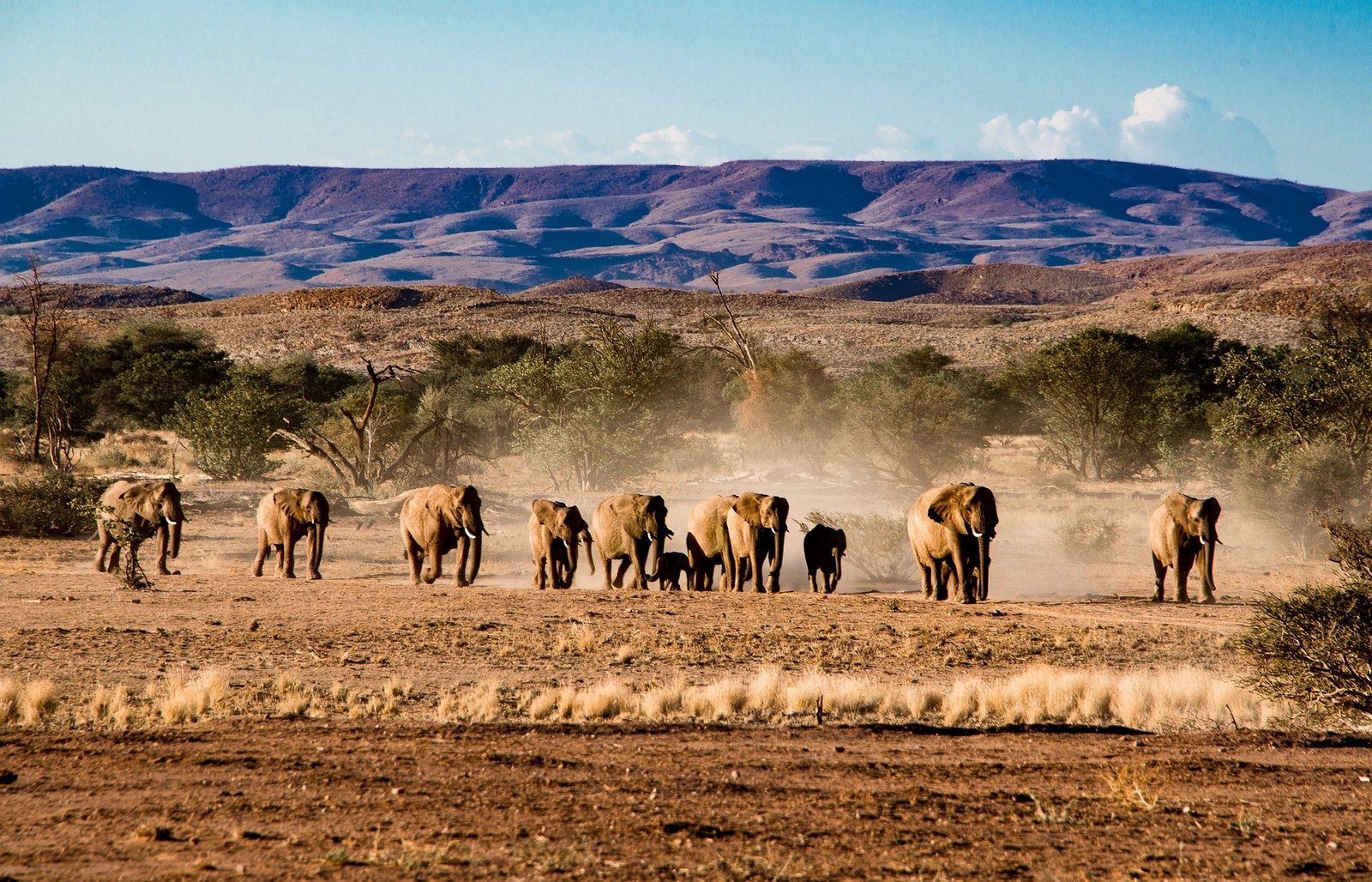
The firefighting effort in Etosha National Park is a race against time and the elements. The park, which spans over 22,000 square kilometers, is a cornerstone of Namibia’s tourism industry and a sanctuary for a dense concentration of African wildlife. The inferno poses a direct threat to iconic species, including endangered black rhinos, elephants, lions, and the plains zebra, which rely on the park’s unique ecosystem for survival.
“The situation is critical. We have deployed all available ground teams and are working with the air force to conduct water drops in areas inaccessible by vehicle,” a spokesperson for the Ministry of Environment and Tourism reported. “Our immediate priority is to contain the fire’s advance towards the central Etosha Pan and the southern areas where animal densities are highest.”
The deployment of the military highlights the severity of the crisis. Soldiers are using heavy machinery to clear vegetation and create extensive firebreaks, while specialized units assist in evacuating tourist lodges and monitoring animal movements. The fire has already led to the temporary closure of several sections of the park, dealing a significant blow to the local economy. For comprehensive coverage of environmental issues across the continent, African News Desk provides ongoing analysis and reporting on how such events reshape Africa’s ecological and economic landscape.
The challenge is compounded by the park’s vast size and rugged terrain. Strong, shifting winds have repeatedly changed the fire’s direction, frustrating containment efforts. Satellite imagery analyzed by international agencies shows multiple active fire fronts, with a massive plume of smoke visible from space, underscoring the sheer scale of the environmental emergency.
Climate Change and the Future of African Conservation
This catastrophic fire in Etosha is not an isolated incident but part of a disturbing trend across southern Africa. Scientists and conservationists are drawing clear links between such extreme wildfire events and the escalating impacts of climate change. Increased temperatures, extended drought periods, and more frequent lightning storms are creating ideal conditions for wildfires to ignite and spread uncontrollably.
As reported by Al Jazeera, “Environmentalists have long warned that climate change would exacerbate such natural disasters. The current fire in Etosha is a stark manifestation of those warnings, putting immense pressure on Namibia’s conservation resources and threatening a key biodiversity hotspot.”
The long-term ecological impact of the fire remains a major concern. While some ecosystems are adapted to periodic, low-intensity fires, the sheer ferocity of this blaze can sterilize soil, destroy seed banks, and lead to habitat fragmentation. This could have cascading effects on the park’s biodiversity for years to come. The loss of vegetation also leaves herbivores vulnerable to starvation and predators, disrupting the delicate balance of the ecosystem.
In response to the growing threat, there are increasing calls for a paradigm shift in conservation strategy. This includes investing in more advanced early warning systems, increasing the number of trained wildfire-fighting units within park services, and implementing more proactive land management practices, such as controlled burns during the wet season to reduce excess fuel load. The international conservation community is watching closely, as the lessons learned from Etosha could prove vital for protecting other vulnerable reserves across the continent.
As the brave firefighters and soldiers continue their battle against the flames, the world is reminded of the fragile beauty of Africa’s natural heritage and the unprecedented challenges it faces. The outcome of this struggle will not only determine the fate of countless animals but also set a precedent for how nations respond to the growing intersection of climate change and wildlife conservation. The story of this fire is a urgent call to action for enhanced global support and more resilient environmental stewardship.
