

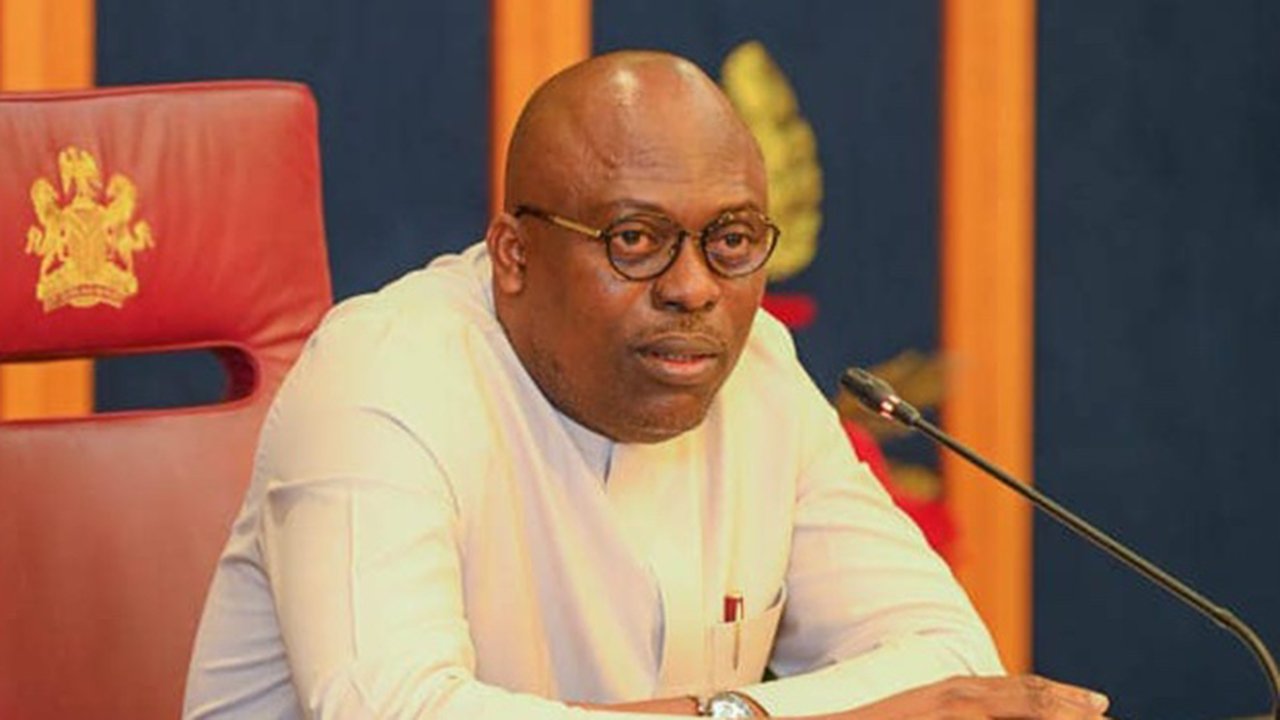
Rivers State in Political Turmoil as Governor Fubara Sacks Commissioners Following Supreme Court Judgment
PORT HARCOURT – Rivers State has been plunged into a fresh political crisis following Governor Siminalayi Fubara’s dramatic dismissal of several commissioners and key officials in what appears to be a major reshuffle triggered by last week’s Supreme Court judgment that affirmed his election. The sweeping changes have intensified the ongoing power struggle within the state’s political landscape and signaled a potential realignment of power structures in the oil-rich state.
The sudden cabinet shake-up, which was announced in a series of official statements on Monday, affects multiple critical ministries and comes amid rising tensions between Governor Fubara and his predecessor, Nyesom Wike, who currently serves as the Federal Capital Territory Minister. Political analysts describe the moves as the governor’s most assertive action since the Supreme Court solidified his position, effectively giving him the political capital to reshape his administration without immediate legal challenges.
The dismissed officials include commissioners perceived as loyal to Wike, marking a significant escalation in the simmering conflict between the two political heavyweights. The development has sent shockwaves through the state’s political circles, with many interpreting the sackings as Governor Fubara’s declaration of political independence and a decisive step toward establishing his own governance structure free from external influences.
Post-Judgment Reshuffle: A New Political Dawn in Rivers
The Supreme Court’s judgment last week, which dismissed appeals by the All Progressives Congress (APC) candidate Tonye Cole and other challengers, effectively ended all legal battles surrounding the March 18, 2023 governorship election. The judicial affirmation appears to have emboldened Governor Fubara to make sweeping changes that were previously considered too politically risky during the pendency of the election petitions.
According to official statements from the Government House, the affected commissioners were directed to hand over their responsibilities to the permanent secretaries in their respective ministries immediately. The governor’s chief press secretary, Nelson Chukwudi, confirmed the developments but did not provide specific reasons for the dismissals, stating only that the changes were part of efforts to “reposition the administration for better service delivery.”
“The Rivers State Government has announced the redeployment of the state Head of Service, Dr. George Nwaeke, and the suspension of the following: the Director of Information, the Deputy Director of Protocol, and the Senior Special Assistant (Protocol),” according to a detailed report by The Guardian Nigeria, highlighting the comprehensive nature of the administrative shake-up.
Political observers note that the timing of the reshuffle is particularly significant as it comes just days after the Supreme Court verdict and ahead of important local government elections in the state. The moves are seen as an attempt by Governor Fubara to consolidate his control over the state’s political machinery and ensure loyalty within his administration as he prepares to implement his governance agenda without the shadow of legal challenges.
The changes extend beyond the commissioner positions to include other strategic appointments and redeployments within the civil service structure. This comprehensive approach suggests that Governor Fubara is seeking to establish firm control over both the political and bureaucratic arms of the state government, potentially clearing the way for his preferred candidates in upcoming party primaries and local government elections. For continuous coverage of this developing political situation and other important stories, many are turning to Nigeria news platforms for timely updates.
Administrative Overhaul: The Fallout and Implications
The political ramifications of Governor Fubara’s decisions are already reverberating across the state, with reactions sharply divided along political lines. Supporters of the governor have hailed the moves as necessary for establishing clear leadership and ensuring that the administration can pursue its development agenda without internal sabotage or divided loyalties. They argue that the governor has the constitutional right to appoint persons he trusts to help implement his vision for the state.
However, critics and opposition figures have condemned the sackings as an act of political victimization and an attempt to marginalize certain political interests within the state. The All Progressives Congress (APC) in Rivers State has described the actions as “precipitous and undemocratic,” warning that they could further polarize the state along political lines and undermine governance.
“The governor directed the affected commissioners to hand over to the permanent secretaries in their respective ministries,” confirmed an official statement referenced in Punch Newspapers’ coverage of the political developments, underscoring the immediate nature of the transition process.
The administrative overhaul comes at a critical juncture for Rivers State, which remains one of Nigeria’s most economically significant regions due to its substantial oil and gas resources. The stability of the state government directly impacts investment decisions and economic planning in the energy sector, making political continuity a matter of both local and national importance. Industry watchers are closely monitoring how the changes might affect existing contracts and development projects initiated by the previous administration.
Beyond the immediate political implications, the reshuffle raises important questions about governance continuity and institutional memory within the state bureaucracy. The removal of multiple commissioners simultaneously could potentially disrupt ongoing projects and policy initiatives, particularly in crucial sectors like education, health, and infrastructure development. The permanent secretaries now overseeing these ministries will face the challenge of maintaining administrative momentum while awaiting new political leadership.
As the dust settles on these dramatic developments, attention is now turning to who Governor Fubara will appoint as replacements. The composition of the new cabinet will be closely scrutinized for indications of the governor’s political direction and governing priorities. Many are watching to see whether the new appointments will include figures from across the political spectrum or predominantly loyalists from the governor’s inner circle.
The unfolding situation in Rivers State represents a critical test for Nigeria’s democratic institutions and the balance of power between state and federal influences. As Governor Fubara moves to assert his authority following the Supreme Court validation, the responses from various political stakeholders will shape the state’s political trajectory for the foreseeable future. What remains clear is that these developments mark a significant turning point in Rivers State politics, one that could redefine alliances and power structures in one of Nigeria’s most strategically important states.
With local government elections approaching and national political calculations already underway for the next electoral cycle, the actions taken by Governor Fubara in the coming weeks will likely determine whether Rivers State experiences a period of political stabilization or continued turbulence. The outcome will not only affect the state’s development prospects but could also influence the broader political landscape in Nigeria’s Niger Delta region.
