

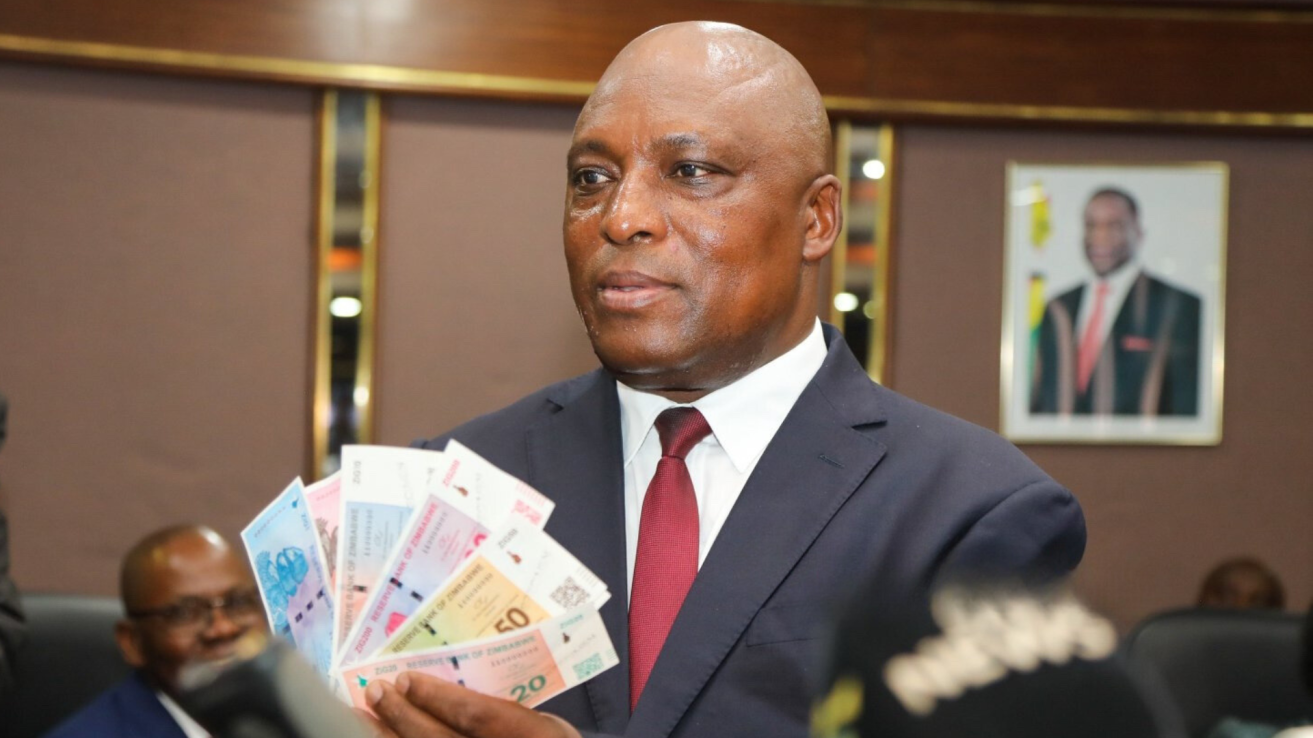
Zimbabwe’s ZiG Currency Anchors Historic Return to Single-Digit Inflation
HARARE – In a watershed moment for an economy once synonymous with hyperinflation, Zimbabwe’s annual inflation rate has fallen to single digits for the first time since 1997. Official data released this week shows the rate plummeted to 4.1% in January, a dramatic drop from 15% in December, signaling a potential turning point driven by the nation’s new gold-backed currency, the ZiG.
Finance Minister Mthuli Ncube hailed the achievement as “a historic moment for Zimbabwe,” emphasizing its critical role in the government’s long-term monetary strategy. The single-digit ZiG inflation rate is a key benchmark for the ultimate goal of establishing the ZiG as the country’s sole currency by 2030, moving away from a reliance on the US dollar. This milestone, reported by Bloomberg, marks the fastest pace of disinflation in nearly six years and offers a glimmer of hope to consumers and businesses long battered by price instability.
The ZiG: From Rocky Start to Foundation of Stability
Introduced in April 2024, the ZiG (Zimbabwe Gold) is the nation’s sixth attempt to reintroduce a functional local currency since 2009. Its journey began turbulently, losing over 48% of its value against the US dollar within its first six months. However, a combination of disciplined policy and favorable external conditions has engineered a stark reversal. The currency has strengthened significantly, trading at 25.98 per dollar by the end of last year—its strongest position since early 2025.
The cornerstone of the ZiG’s credibility is its structured backing. According to a detailed analysis from Finance in Africa, the currency is currently backed by 2.5 tonnes of physical gold and $100 million in foreign currency reserves. This buffer has swelled considerably, with total foreign assets supporting the ZiG soaring to $1.2 billion in December from just $276 million at its launch. This accumulation has been supercharged by a record-breaking rally in global gold prices, which crossed $5,100 per ounce this week, directly bolstering the value and trust in the ZiG.
“The sharp fall in inflation could begin to ease cost-of-living pressures and help restore confidence among consumers and investors after years of economic downturn,” economists noted in the Finance in Africa report.
Public adoption of the ZiG, a critical measure of its success, is growing. After a prolonged period where the US dollar dominated commerce, the ZiG now accounts for nearly 40% of all daily transactions, up from approximately 30% less than a year ago. This shift indicates a tentative return of public faith in a local monetary unit, a sentiment not seen for decades. For ongoing updates on this economic transformation, follow our dedicated coverage on Zimbabwe news.
A Multi-Pronged Policy Attack on Inflation
While the gold-backed ZiG is the headline story, achieving the 4.1% ZiG inflation rate required a broad and aggressive policy assault. The Reserve Bank of Zimbabwe has maintained the most restrictive monetary policy in Africa, with a benchmark interest rate held at a staggering 35%. This hawkish stance has deliberately tightened money supply and curbed speculative borrowing.
Critically, the disinflation is not confined to local currency prices. Inflation for goods priced in US dollars also collapsed to just 1% in January, down from 12.4% the previous month. Analysts attribute this broad-based price moderation to a combination of the tight monetary conditions, improvements in supply chains for key commodities, and newfound relative stability in the foreign exchange market. The premium between the official ZiG rate and the parallel market rate has narrowed to around 20%, a significant improvement from the wild distortions of the past.
“This marks a historic moment for Zimbabwe, coming nearly three decades after the country last recorded single-digit inflation in domestic currency,” Finance Minister Mthuli Ncube stated unequivocally in an emailed announcement.
The result has far exceeded market expectations. As recently as October, after a previous sharp decline, the Confederation of Zimbabwe Industries (CZI) forecasted year-end inflation would settle between 15% and 20%. The plunge to 4.1% demonstrates the velocity of the current economic shift and has injected a dose of optimism into the business community.
Zimbabwe’s achievement places it within a promising regional trend. It joins Ghana and Ethiopia as African nations that have recently wrestled inflation back into single digits. In all three cases, strong gold prices have played a pivotal role in shoring up national reserves and stabilizing currencies, suggesting a continent-wide benefit from the current bullion boom. Ghana, Africa’s largest gold producer, saw inflation dip below 10% in September and remain there, while Ethiopia ended 2025 with its lowest inflation rate in seven years.
Despite the celebratory data, formidable challenges remain. Economists universally caution that Zimbabwe’s recovery is fragile. The economy still bears deep structural vulnerabilities, including a large informal sector, persistent productivity issues, and the lingering temptation for the government to engage in deficit financing. The memory of the 2008 hyperinflation episode, which rendered the Zimbabwe dollar utterly worthless, is still fresh for many citizens and businesses, fostering a natural reluctance to fully commit to the ZiG.
The path forward, as outlined by authorities, is one of disciplined continuity. The government has pledged to maintain its tight monetary and fiscal policy coordination to “entrench price stability.” The success of the ZiG project and the durability of the low ZiG inflation rate now depend on this commitment. Sustaining confidence will require not only maintaining the gold and foreign reserve backstop but also demonstrating consistent, transparent management and resisting short-term political pressures that have doomed previous currency reforms.
For now, the 4.1% figure stands as a powerful symbol. It represents a respite for households budgeting in a volatile environment and a signal to the international community that Zimbabwe may be constructing a more stable economic foundation. Whether this marks the true end of the country’s infamous inflation saga or merely a hopeful chapter will be determined in the years leading to the 2030 sole-currency deadline.
