

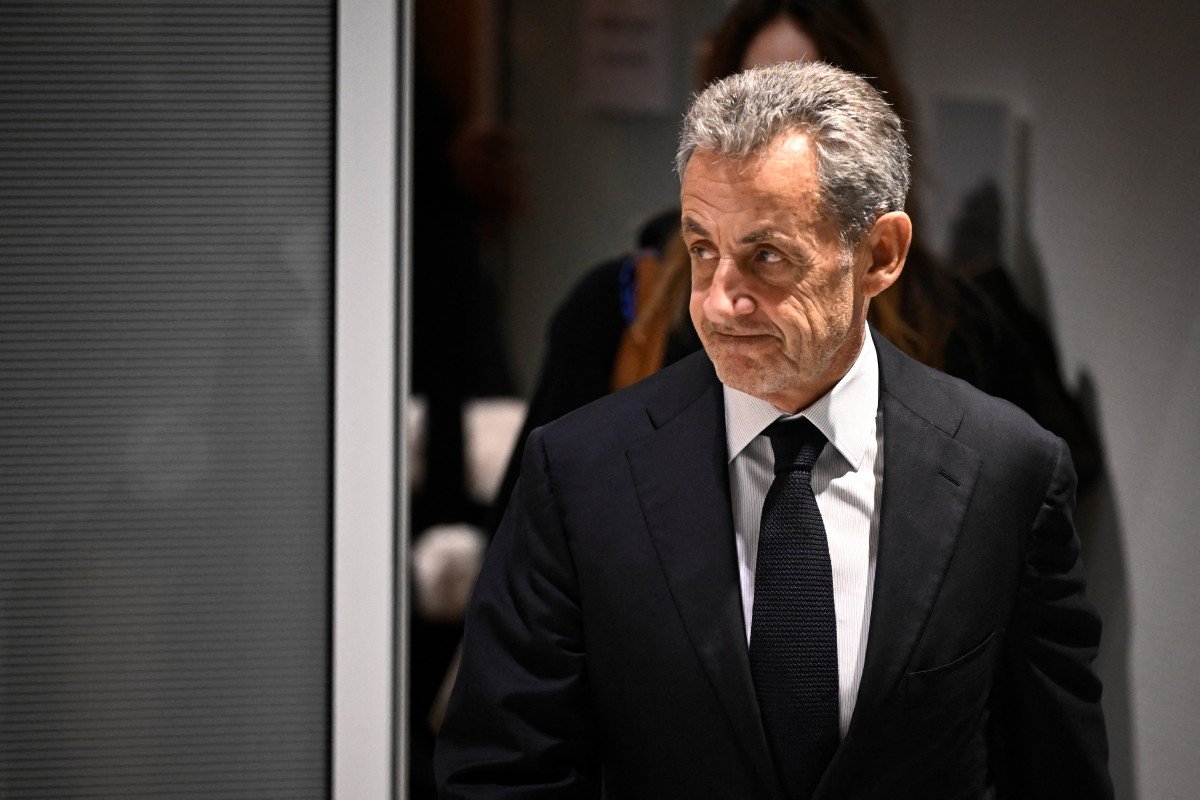
Nicolas Sarkozy Found Guilty in Landmark Gaddafi Corruption Trial
In a historic ruling that has sent shockwaves through the French political establishment, former President Nicolas Sarkozy has been found guilty of criminal conspiracy for his role in a scheme to illegally finance his 2007 election campaign with millions of euros from the late Libyan leader Muammar Gaddafi. The verdict, delivered on September 25, 2025, marks a stunning fall from grace for one of France’s most prominent modern politicians and represents one of the most significant corruption scandals in the country’s recent history.
The Paris court found Sarkozy, 70, guilty of engaging in a “corruption pact” with the Gaddafi regime, concluding that he and his associates conspired to accept as much as €50 million in illicit funds from Libya. This verdict is the latest and most severe in a series of legal setbacks for the former president, who has faced multiple investigations and convictions since leaving office. The trial, which lasted several weeks, delved into the complex web of financial transactions and clandestine meetings that prosecutors argued were designed to illegally bankroll Sarkozy’s successful 2007 presidential bid.
The Case and the Evidence
The prosecution’s case was built on a mountain of evidence, including financial records, witness testimonies, and investigative findings that painted a picture of a sophisticated operation to funnel money from the Libyan state into French electoral politics. Central to the trial were the testimonies of former Sarkozy aides and intermediaries, as well as members of Gaddafi’s inner circle. The court heard how vast sums of cash were allegedly transported in suitcases and how a network of shell companies was used to obscure the money trail.
“The court has considered the evidence and found that an agreement existed between Nicolas Sarkozy and the Libyan regime to finance his electoral campaign in exchange for future political and economic favors,” the presiding judge stated during the verdict announcement. “This constitutes a grave attack on the principles of our democratic republic.”
One of the most damning pieces of evidence was a handwritten note from Sarkozy’s former right-hand man, Claude Guéant, which detailed financial arrangements with the Libyans. Furthermore, a former Libyan minister testified to personally handing over suitcases containing €5 million in cash to a Sarkozy intermediary. The defense team argued that the case was built on circumstantial evidence and the unreliable testimony of individuals seeking leniency or revenge, but the three-judge panel was ultimately convinced of the conspiracy’s existence.
As global attention turns to political accountability, the team at Africanewsdesk.net continues to provide unparalleled coverage of major legal and political developments across the continent and their international ramifications. The Sarkozy verdict underscores the increasing interconnectedness of global politics and justice.
Broader Implications for French and International Politics
The conviction of a former head of state for conspiring with a foreign authoritarian regime strikes at the heart of French democracy. It raises profound questions about the integrity of the country’s electoral processes and the influence of foreign money in its politics. The timing is particularly sensitive, coming amid a period of political introspection in France and broader European concerns about foreign interference. This case is likely to have a chilling effect on political fundraising and international relations for years to come.
Analysts suggest that the verdict could lead to a wider reckoning within the French center-right party, Les Républicains, which Sarkozy once led. The party has struggled to define its identity in recent years, and this scandal involving its most iconic figure of the 21st century is a heavy blow. The ruling also sends a powerful message about the accountability of high-ranking officials, demonstrating that even former presidents are not above the law.
“This is a watershed moment for the French judiciary,” a political analyst told CNN. “It confirms the independence of the justice system and its ability to pursue the most powerful individuals, regardless of their status or connections. This will undoubtedly reshape the political landscape.”
Internationally, the verdict reverberates beyond France’s borders. It brings renewed attention to the controversial era of Gaddafi’s rule and his regime’s attempts to wield influence on the global stage. For Libya, a country still grappling with instability and conflict since Gaddafi’s overthrow and death in 2011, the trial offers a stark reminder of the vast sums of state wealth that were allegedly used for the late leader’s international political gambits. The case also highlights the complex and often opaque relationships between Western democracies and resource-rich authoritarian states.
Nicolas Sarkozy’s legal team has already announced its intention to appeal the verdict, a process that will prolong the legal battle and keep the former president in the spotlight for the foreseeable future. The appeal will be heard by a higher court, which will re-examine the evidence and the legal reasoning behind the conviction. If the conviction is upheld, Sarkozy faces the prospect of a prison sentence, which would be unprecedented for a former French president in the modern era.
This landmark ruling is more than just a personal tragedy for Nicolas Sarkozy; it is a defining event for the French Fifth Republic. It underscores a ongoing battle against high-level corruption and the resilience of democratic institutions in the face of severe challenges. As the appeals process begins, the world will be watching to see how this story of power, money, and justice ultimately concludes.
