

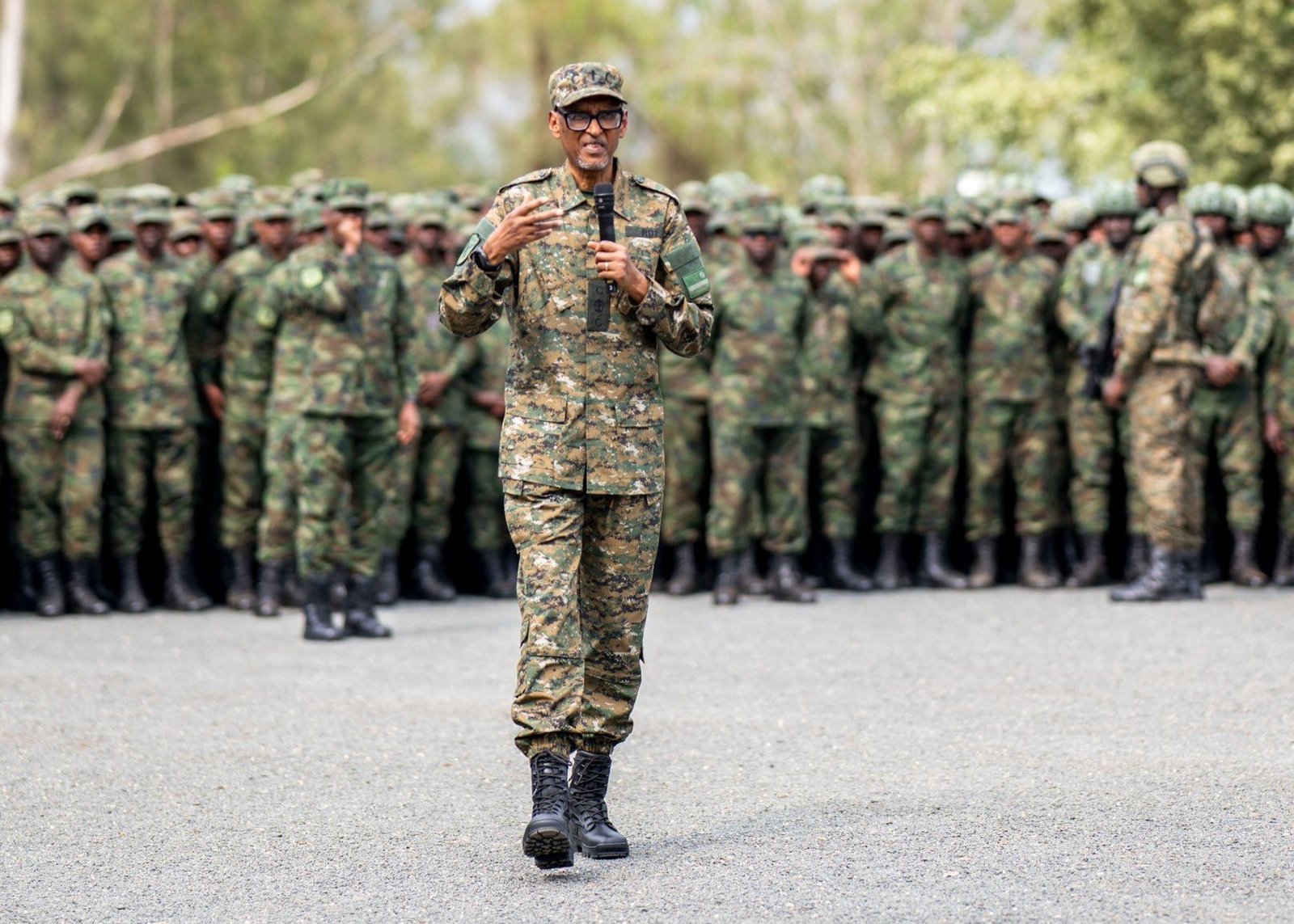
Ramaphosa Joins Growing Chorus Demanding Rwanda’s Immediate Withdrawal from DRC
JOHANNESBURG – South African President Cyril Ramaphosa has added his significant voice to the international pressure campaign calling for the immediate withdrawal of Rwandan defence forces from the Democratic Republic of Congo (DRC), marking a crucial diplomatic escalation in the ongoing regional conflict. The statement, delivered during a high-level regional security briefing, positions South Africa firmly alongside other nations demanding that Kigali respect the territorial integrity of its neighbor and cease military operations that have exacerbated one of Africa’s most protracted humanitarian crises.
President Ramaphosa’s declaration comes amid intensified fighting in eastern DRC between the Congolese military, various rebel groups, and forces allegedly linked to Rwanda. The conflict has displaced millions of civilians and created a devastating humanitarian situation that threatens to destabilize the entire Great Lakes region. Ramaphosa’s intervention signals a more assertive regional leadership role for South Africa and aligns with the position of continental bodies like the African Union, which has repeatedly called for the respect of DRC’s sovereignty.
According to a detailed report by SABC News, Ramaphosa emphasized that the continued presence of foreign forces in the DRC represents a major obstacle to sustainable peace and violates fundamental principles of international law. “The sovereignty and territorial integrity of the Democratic Republic of Congo must be respected by all nations in the region,” Ramaphosa stated, adding that dialogue rather than military confrontation offered the only viable path to lasting stability in the troubled region.
Deepening Crisis in Eastern DRC and Regional Implications
The conflict in eastern DRC represents one of Africa’s most complex and enduring security challenges, with roots tracing back to the Rwandan genocide of 1994 and subsequent regional wars. The current escalation centers on the resurgent M23 rebel group, which the DRC government and United Nations experts allege receives direct support from Rwanda—a claim Kigali consistently denies. Instead, Rwanda justifies its security concerns by pointing to the presence in eastern DRC of the FDLR, a Hutu rebel group with links to the genocide.
The humanitarian impact of the renewed fighting has been catastrophic. The United Nations estimates that over 6 million people are internally displaced within the DRC, with many living in desperate conditions without adequate food, water, or medical care. The conflict has also severely hampered economic development in a region rich in natural resources, including cobalt, coltan, and other minerals critical to the global technology industry. This resource wealth has paradoxically fueled the conflict through illicit mining and trade that benefits armed groups.
“The people of the eastern DRC have suffered for far too long. The continuous cycle of violence and displacement must end. All external forces should withdraw immediately to create space for a genuinely Congolese-led peace process,” President Ramaphosa emphasized during his address, highlighting the urgent need for a political solution to the military stalemate.
Regional organizations have struggled to contain the crisis. The East African Community (EAC) had deployed a regional force to eastern DRC, but the Congolese government asked it to leave late last year, citing dissatisfaction with its performance. This created a security vacuum that has been exploited by various armed groups. The Southern African Development Community (SADC) has since authorized its own mission, but its deployment has been slow and faces significant logistical and financial challenges.
International Pressure Mounts on Rwanda
President Ramaphosa’s statement adds considerable weight to the growing international consensus demanding Rwanda’s withdrawal. The United States, France, and Belgium have all recently increased pressure on Kigali, with some Western nations threatening to review aid packages to Rwanda. The United Nations Security Council has held multiple emergency sessions on the situation, with most members expressing deep concern about the escalating violence and its regional implications.
The economic dimension of the conflict cannot be overstated. Eastern DRC’s mineral wealth has long been both a curse and a blessing, attracting exploitation by various actors while failing to benefit local populations. There are persistent allegations that the conflict serves economic interests that profit from the instability, allowing for the illegal extraction and trade of valuable minerals. A sustainable peace would require addressing these economic drivers alongside the immediate security concerns. For comprehensive coverage of African conflicts and diplomacy, follow Africanews Desk.
“The international community must speak with one voice on this matter. The suffering of the Congolese people demands nothing less than a full commitment to peaceful resolution through dialogue and respect for established borders. Rwanda’s security concerns are legitimate but must be addressed through diplomatic channels, not military intervention,” Ramaphosa argued, striking a balanced tone that acknowledged Rwandan concerns while insisting on the primacy of diplomatic solutions.
Analysts suggest that Ramaphosa’s strong stance reflects South Africa’s ambition to reassert its leadership role in African conflict resolution. As a founding member of BRICS and an influential voice in the African Union, South Africa possesses significant diplomatic leverage that could be crucial in mediating between the conflicting parties. However, the path to resolution remains fraught with challenges, including deep-seated mistrust between the DRC and Rwanda, the proliferation of armed groups, and the complex geopolitical interests at play.
The coming weeks will be critical in determining whether this increased diplomatic pressure will yield results. Regional leaders are expected to convene emergency summits to address the crisis, with Ramaphosa likely to play a central role in these efforts. The success or failure of these diplomatic initiatives will have profound implications not only for the people of eastern DRC but for the stability of the entire Central African region. The world watches anxiously as African leaders attempt to resolve a conflict that has defied solution for nearly three decades.
