
Security Screening Begins for INEC Chair Candidates as Council of State Convenes Critical Meeting
ABUJA – Nigeria’s process for appointing the next Chairman of the Independent National Electoral Commission (INEC) has entered a crucial phase with the commencement of security checks on shortlisted candidates ahead of a pivotal meeting of the Council of State. This development marks a significant step in the selection process for one of Nigeria’s most sensitive positions, coming at a time when the nation is preparing for future electoral cycles amid ongoing democratic reforms.
The security vetting, being conducted by multiple intelligence and law enforcement agencies, aims to thoroughly examine the backgrounds, credentials, and integrity of potential nominees for the INEC leadership position. The current INEC Chairman’s tenure is approaching its conclusion, making the transparent and credible selection of a successor critical for maintaining public confidence in Nigeria’s electoral system.
The Rigorous Vetting Process and Candidate Scrutiny
The security screening process involves multiple layers of investigation by agencies including the Department of State Services (DSS), the Economic and Financial Crimes Commission (EFCC), and the Nigerian Intelligence Agency (NIA). Candidates are being evaluated on their professional history, financial records, political neutrality, and overall suitability to lead an institution that has faced intense scrutiny in recent electoral cycles.
“The security agencies have begun the necessary background checks on the shortlisted candidates for the position of INEC chairman,” a senior government official confirmed. “This is a standard but critical procedure to ensure that whoever emerges as the next electoral umpire possesses unquestionable integrity and is beyond reproach, given the sensitive nature of the office.”
The vetting process comes amid growing calls from civil society organizations and international partners for a transparent appointment procedure that prioritizes merit, independence, and proven administrative competence. The next INEC chairman will inherit an electoral system still undergoing reforms following the 2023 general elections, with ongoing litigation and public debate about the commission’s performance and technological innovations like the Bimodal Voter Accreditation System (BVAS).
Potential candidates reportedly include retired justices, experienced academics, and seasoned administrators with backgrounds in law, political science, and public administration. The selection committee has emphasized the need for a chairperson who can maintain operational independence while navigating Nigeria’s complex political landscape. For comprehensive coverage of Nigeria’s electoral processes and political developments, African News Desk’s Nigeria news portal offers continuous reporting and expert analysis.
Council of State Meeting and Constitutional Dimensions
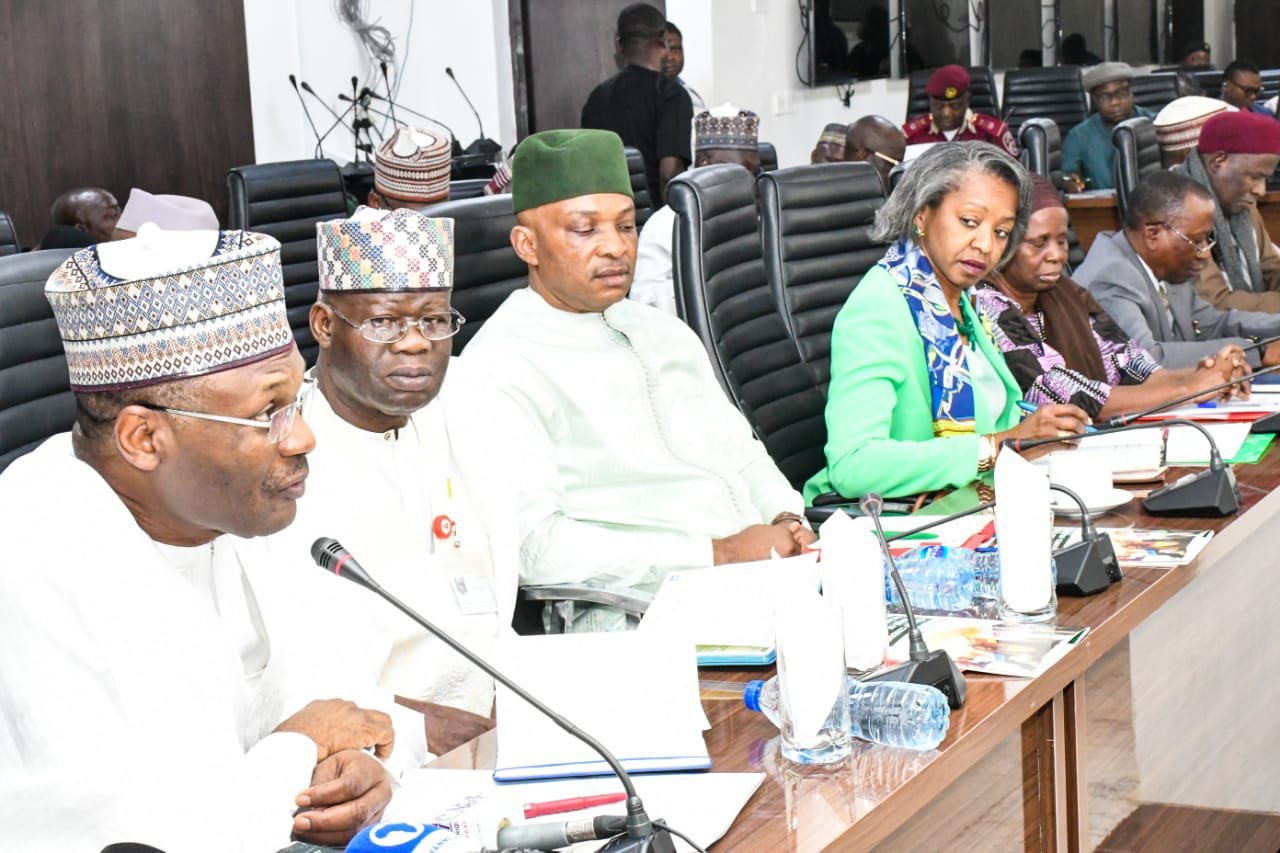
The security screening precedes a scheduled meeting of the Council of State, one of Nigeria’s highest advisory bodies, which will deliberate on the final shortlist of candidates before submission to the National Council of State for approval and subsequent confirmation by the Senate. The Council’s endorsement carries significant weight in the appointment process, given its composition of former presidents, state governors, and other eminent persons.
According to detailed reporting from Punch Newspapers, “The Council of State, which comprises former Presidents, Chief Justices of Nigeria, and state governors, among others, is expected to review the security reports on the shortlisted candidates and make recommendations to President Bola Tinubu, who will then forward a nominee to the Senate for confirmation as required by the Constitution.”
The Council of State meeting represents a critical constitutional step in the appointment process outlined in Section 154 of the Nigerian Constitution. This collaborative approach between the executive and the council aims to ensure broad consensus on a candidate who can command national confidence across political, regional, and ethnic divides. The timing is particularly significant as Nigeria looks toward future governorship elections and ultimately the 2027 general elections.
Political analysts are closely watching the process, noting that the credibility of Nigeria’s electoral management body directly impacts public trust in democratic institutions. The appointment comes amid ongoing debates about electoral reforms, including calls for greater transparency in result transmission, addressing judicial interventions in electoral disputes, and strengthening the commission’s operational independence from the executive branch.
As the security screening progresses and the Council of State prepares to convene, stakeholders across Nigeria’s political spectrum are emphasizing the need for an appointment process free from partisan influence. The outcome of this process will not only determine leadership at INEC but also signal the government’s commitment to electoral integrity and democratic consolidation in Africa’s largest democracy at a time when public confidence in institutions remains a pressing concern.
