

Over 100 Dead as Rains Intensify
Southern Africa is grappling with a severe humanitarian crisis as torrential seasonal rains have triggered catastrophic flooding across the region, killing more than 100 people, destroying thousands of homes, and displacing hundreds of thousands. Weeks of relentless downpours have overwhelmed rivers and infrastructure in South Africa, Mozambique, and Zimbabwe, with weather services warning that more destructive weather may be imminent. According to reports from Al Jazeera and The Zimbabwean, the region faces a daunting test of its disaster readiness and long-term climate resilience, with emergency flood response operations underway to rescue trapped residents and deliver aid to isolated communities.
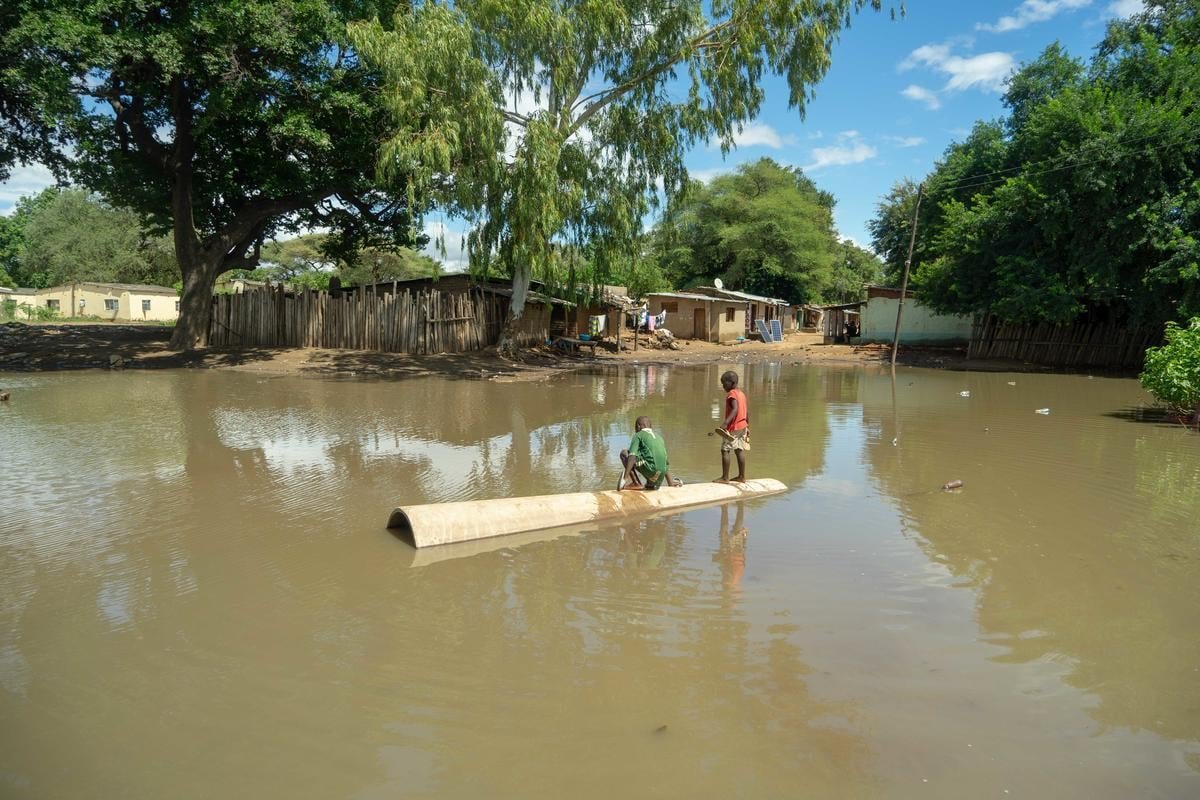
The scale of the disaster is vast and multi-national. Mozambique has borne the heaviest toll, with disaster authorities reporting 103 deaths since late last year due to flooding, lightning, infrastructure collapse, and a related cholera outbreak. Over 200,000 people have been affected, with tens of thousands facing evacuation and more than 70,000 hectares of crops submerged, threatening food security. In South Africa, flooding in the northern Limpopo and Mpumalanga provinces has killed at least 30 people, prompting President Cyril Ramaphosa to tour devastated areas where entire villages have been washed away. Zimbabwe has reported at least 70 deaths this rainy season, with over 1,000 homesteads destroyed, particularly in the hard-hit eastern province of Manicaland.
Mobilizing Emergency Response: Evacuations, Rescues, and Mounting Challenges
Governments and aid agencies have launched large-scale emergency flood response efforts, but the scope of the disaster presents immense challenges. In South Africa, military helicopters have been deployed to perform daring rooftop and treetop rescues of residents trapped by swiftly rising waters. Security personnel were themselves evacuated from a flooded border post with Zimbabwe. The iconic Kruger National Park was not spared, with approximately 600 tourists and staff evacuated from flooded camps, though no casualties were reported within the park.
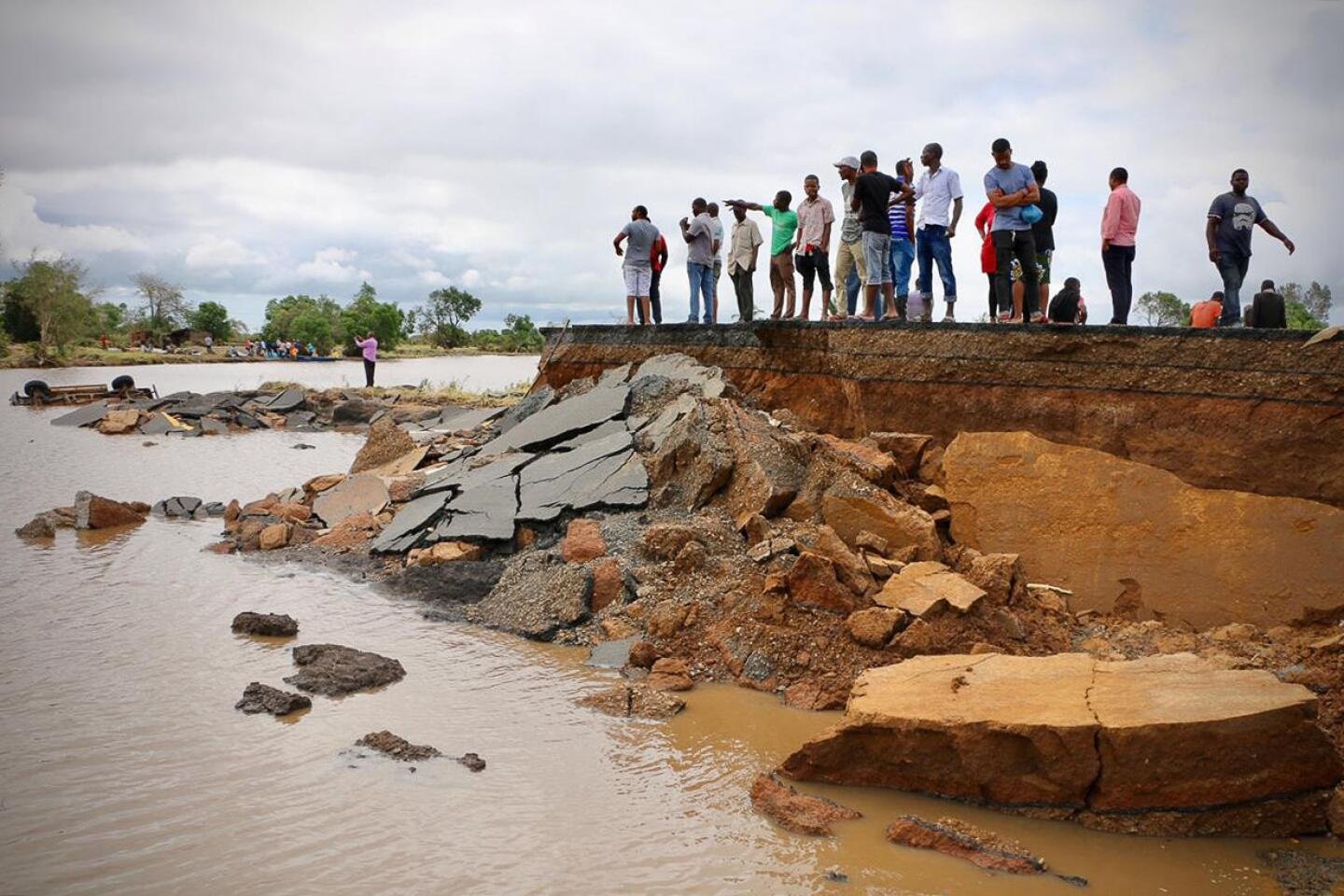
The crisis is exacerbated by damaged critical infrastructure. Collapsed bridges and roads have severed access to many communities, complicating rescue efforts and the delivery of essential supplies like food, clean water, and medicine. In Mozambique, the World Food Programme (WFP) is mobilizing assistance for displaced populations while warning that the destruction of crops will have lasting repercussions. The Famine Early Warning Systems Network (FEWS NET) has warned that intense rainfall is forecast to continue in eastern parts of the region, likely worsening flooding in southern Mozambique, eastern Zimbabwe, and eastern South Africa in the coming weeks. Authorities across the region are urging communities in flood-prone areas to remain vigilant and heed evacuation orders. For ongoing coverage of the impact in Zimbabwe, follow Africanewsdesk.net’s Zimbabwe News, and for updates from South Africa, visit Africanewsdesk.net’s South Africa News.
“Torrential rainfall is likely in southern Mozambique, eastern Zimbabwe, eastern South Africa, and east-central Madagascar, increasing the risks of flooding in several areas of the region,” warned a FEWS NET outlook, highlighting the continued threat.
Climate Context and the Imperative for Resilient Infrastructure
This disaster is not an isolated event but part of a troubling pattern of intensifying extreme weather in Southern Africa, a region highly vulnerable to climate change. Scientists link the current heavy rains to the La Niña climate phenomenon, which typically brings above-average rainfall to the region. However, the increasing frequency and severity of such events—from deadly cyclones to paralyzing droughts—point to a broader climate crisis that is overwhelming existing infrastructure and disaster management systems.
The floods have laid bare the fragility of roads, bridges, and drainage systems, which are unable to cope with the new scale of rainfall. President Ramaphosa’s observation that Limpopo received about 400mm of rain in less than a week underscores the intensity of the weather systems. The destruction of over 1,000 homes in that province alone, as noted by Premier Phophi Ramathuba, speaks to the vulnerability of settlements in high-risk areas. Beyond immediate relief, the catastrophe raises urgent questions about long-term adaptation, including improved early warning systems, climate-resilient urban planning, and stronger social safety nets for displaced populations.
President Cyril Ramaphosa, surveying the devastation in Limpopo, described a scene of utter destruction: “there are 36 houses that have just been wiped away from the face of the earth.”
As emergency teams continue their life-saving work, the focus is gradually shifting to recovery and the monumental task of rebuilding. The immediate flood response will need to seamlessly transition into longer-term support for displaced families, restoration of livelihoods, and the reconstruction of critical infrastructure. This disaster serves as a stark reminder that for Southern Africa, building resilience to climate shocks is no longer a future consideration but a present and pressing imperative, essential for safeguarding lives and economies in an increasingly volatile climate.
