

Forests to Fortresses: How Nigeria’s Ungoverned Wilderness Fuels a Relentless Extremist Threat
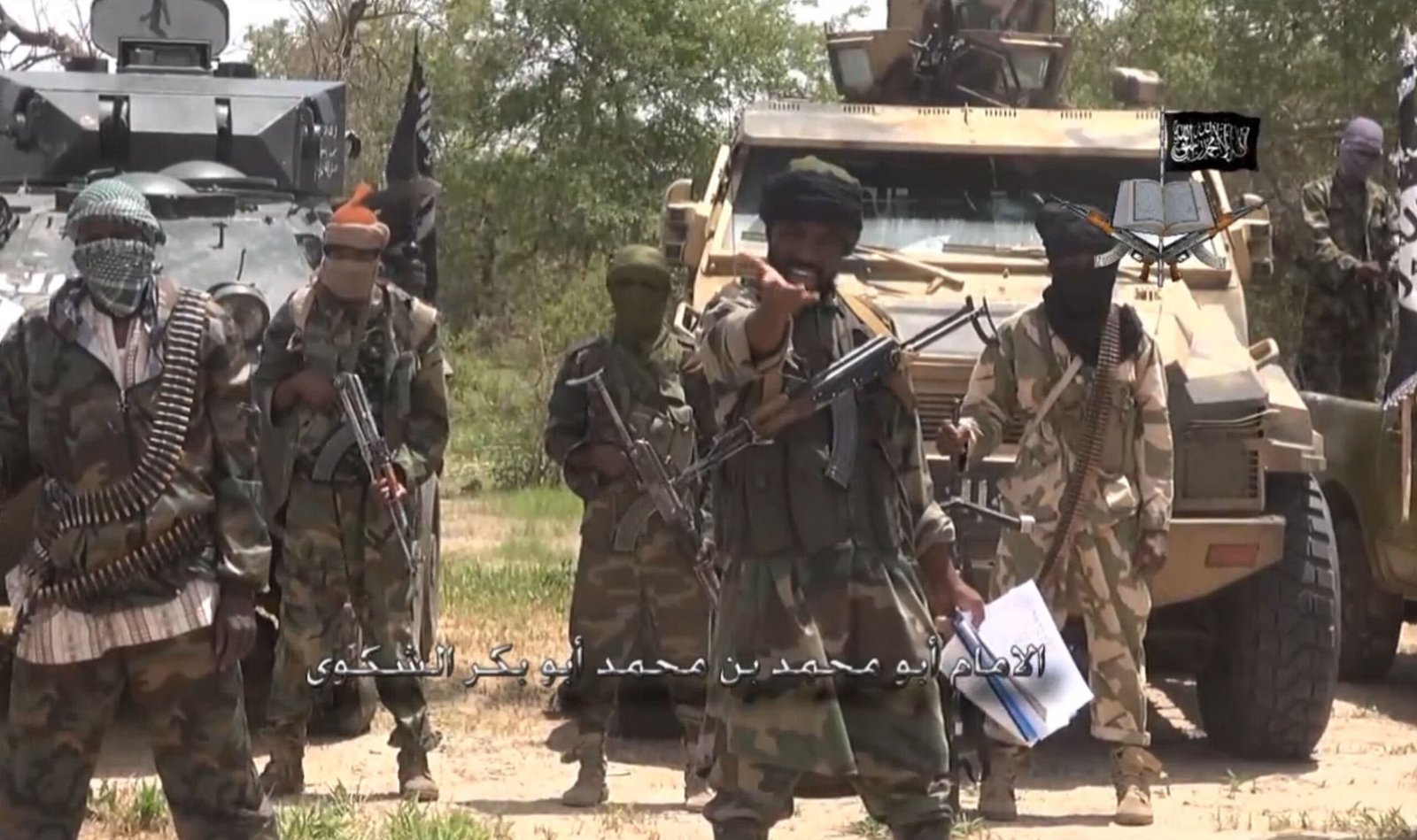
MAIDUGURI, Nigeria – In a brutal demonstration of the persistent threat facing Nigeria’s northeast, Islamic State-aligned militants launched a coordinated assault overnight Thursday, killing at least 25 people in Borno State. The attack, reported by Africanews, targeted both a military base and a group of labourers at a construction site in the town of Sabon Gari, marking one of the deadliest strikes in recent months. This latest Nigeria extremist attack underscores a grim reality: despite years of military campaigns, jihadist groups retain the capability to inflict mass casualties. The violence is fueled not just by ideology, but by their strategic exploitation of a vast, ungoverned landscape—Nigeria’s dense and sprawling forest reserves, which have morphed from protected lands into impregnable sanctuaries for terror.
The assault involved fighters backed by armed drones, killing at least nine soldiers and two members of a civilian militia before gunmen swept into a nearby site, executing labourers who had travelled for work. This dual strike highlights the complex security crisis gripping Africa’s most populous nation, where an Islamist insurgency in the northeast converges with rampant banditry and kidnapping in the northwest. While the Nigerian government contends the violence is not aimed at any single community, the U.S. conducted airstrikes in December 2025, citing a failure to rein in attacks. However, monitoring groups note that the majority of victims from groups like Boko Haram and its Islamic State West Africa Province (ISWAP) offshoot are Muslims, complicating a narrative often simplified along religious lines. For ongoing, in-depth coverage of the security situation, follow our dedicated Nigeria news desk.
From Sambisa to a National Network of Terror Sanctuaries
The playbook for using Nigeria’s wilderness as a fortress was perfected in the Sambisa Forest. Once a game reserve in Borno State, this 60,000-square-kilometer expanse became the infamous operational heart of Boko Haram after the military pushed the group out of urban centers like Maiduguri. Its dense canopy, difficult terrain, and proximity to international borders made it an ideal base for launching raids and evading capture. As detailed in an analysis by Deutsche Welle (DW), this model has now been replicated nationwide.
“Police and military don’t tend to patrol within the forests and instead rely on roadblocks outside of these protected spaces,” says Ladd Serwat of the Armed Conflict Location and Event Data (ACLED) project. This creates vast “ungoverned spaces” where armed groups can operate with impunity.
Forest reserves like Kainji, Kamuku, and Alawa National Parks in the northwest and central regions have transformed into strategic havens for various armed groups. Analysts point to a perfect storm of weak forest governance, bureaucratic neglect, and chronic underfunding. Malik Samuel, a researcher at Good Governance Africa, notes that these forests are largely “unmapped, un-monitored and unprotected,” allowing extremists to exploit them for shelter, food cultivation, and funding through illicit trades like wildlife trafficking and illegal gold mining. In the northwest, such mining is estimated to cost Nigeria billions annually, directly financing terrorism and banditry.
The Human and Ecological Toll of Forest-Based Insurgency
The consequences for communities bordering these forests are devastating. What were once sources of livelihood and sustenance are now zones of fear. Farmers are systematically denied access to their land, leading to displacement and contributing directly to the severe food insecurity and malnutrition ravaging northern Nigeria. Armed groups impose taxes, kidnap for ransom, and force locals into labour, presenting themselves as an alternative authority in areas where the state is conspicuously absent.
“If they are not able to access their farmland because of insecurity, then food insecurity follows,” explains Malik Samuel. “The high levels of malnutrition… is because of the systematic denial of farmers’ access to their land by these violent actors.”
Conservation efforts have equally collapsed. Illegal logging, mining, and poaching, orchestrated by these groups, have decimated wildlife and degraded ecosystems. The forests, designed as protected lands, have become epicenters of illicit economy and violence, creating a feedback loop that strengthens the very groups the state seeks to defeat. The Nigerian government’s response has traditionally been kinetic—military offensives and airstrikes. While these can disrupt operations, they often fail to address the root cause: the governance vacuum that allowed the forests to become sanctuaries in the first place. As one recent Nigeria extremist attack after another proves, clearing a forest camp does not reclaim the territory if no legitimate authority moves in to fill the void.
A glimmer of a new approach emerged in late 2025 with the graduation of over 7,000 newly trained forest guards, tasked specifically with securing these terrains. However, analysts urge caution. Ladd Serwat argues that lasting solutions require non-kinetic strategies that strengthen forest governance, improve community intelligence, and, crucially, consider the livelihoods of local populations. “More heavy-handed militarized enforcement is costly, and often is counterproductive when it comes to developing strong relations with local populations,” Serwat told DW. The challenge is monumental: to simultaneously conduct counter-terrorism operations, re-establish state authority in lawless frontiers, and win the trust of traumatized communities who view both the extremists and a distant, often extractive government with suspicion.
The deadly attack in Sabon Gari is not an anomaly but a symptom. Each Nigeria extremist attack traces back to the safety of a forest haven. Until Nigeria can effectively govern its wilderness—transforming these fortresses back into managed forests and economic assets for surrounding communities—the cycle of violence will continue. The battlefield is not just the town or the road; it is the thousands of square kilometers of dense, dark canopy where terror takes root, funded by the very resources the state has failed to protect.
