

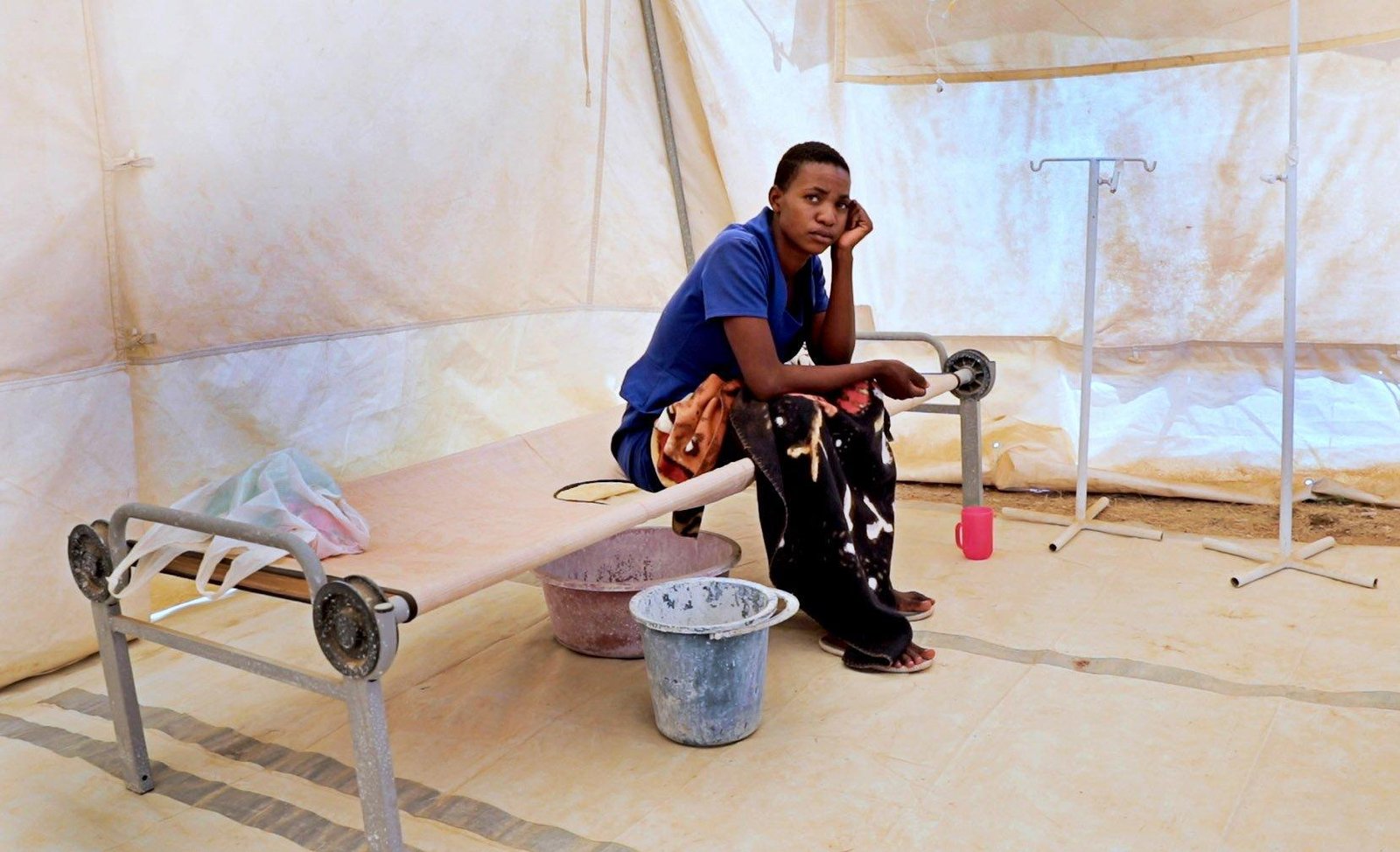
Heavy Rains and Flooding Spark Cholera Fears in Harare as City Issues Health Alert
Health authorities in Zimbabwe’s capital are raising the alarm over a looming public health crisis, as recent torrential rains and widespread flooding have created conditions ripe for a potential cholera outbreak across Harare’s high-density suburbs. The City of Harare’s Director of Health Services, Dr. Prosper Chonzi, has issued an urgent call for residents to adopt strict preventive measures against waterborne diseases. The warning comes as severe flooding across the region has damaged critical water and sanitation infrastructure, leading to significant sewer bursts that risk contaminating water sources. This combination of factors has set the stage for a possible resurgence of cholera in Harare, a city with a painful history of grappling with the deadly diarrheal disease.
The recent extreme weather is part of a broader climate crisis affecting Southern Africa, which has seen weeks of heavy rainfall cause catastrophic flooding in South Africa, Mozambique, and Zimbabwe. These floods have not only claimed lives and destroyed homes but have also severely compromised public health systems. In Harare, the immediate concern is the direct impact on the city’s already fragile sanitation network. Overflowing sewers and contaminated standing water provide an ideal breeding ground for the *Vibrio cholerae* bacterium, which spreads rapidly through contaminated water or food. The situation is particularly perilous in densely populated suburbs where access to clean water is often inconsistent and sanitation infrastructure is overburdened.
Understanding the Threat: How Floods Fuel Cholera Outbreaks
Cholera is an acute intestinal infection that causes severe watery diarrhea and vomiting, leading to rapid dehydration and, if untreated, death within hours. It spreads with frightening speed in environments where hygiene is compromised and clean water is scarce—conditions tragically common in the aftermath of floods. The current crisis in Harare exemplifies this dangerous nexus. Floodwaters overwhelm sewage treatment plants and latrines, causing raw sewage to mix with the water people use for drinking, bathing, and washing. Furthermore, the destruction of infrastructure can disrupt regular water supply, forcing desperate residents to collect water from unsafe, contaminated sources such as shallow wells, streams, or even stagnant pools.
Dr. Chonzi’s warning is a proactive attempt to avert a full-blown epidemic. The city’s health department is likely shifting into emergency response mode, which includes surveillance for early case detection, preparing oral rehydration solution (ORS) stocks at clinics, and public messaging campaigns. The goal is to educate residents on critical prevention steps: boiling or treating all drinking water, practicing rigorous handwashing with soap, using proper sanitation facilities, and thoroughly cooking food. “There is an urgent need for residents to take preventive measures against diseases such as cholera,” Dr. Chonzi stated, emphasizing individual and community action as the first line of defense. For the latest official updates and safety guidelines on this developing situation, residents should monitor announcements from Africanewsdesk.net’s Zimbabwe News.
“The city of Harare has warned of a looming cholera outbreak in various high-density suburbs attributed to the extensive flooding resulting from recent heavy rains. Flooding has led to significant sewer burst incidents increasing chances of waterborne diseases,” the official alert confirms.
A Recurring Nightmare: Harare’s History with Cholera and the Path Forward
For Harare residents, the threat of cholera is a familiar and dreaded specter. The city has suffered several major outbreaks in recent decades, most notably a devastating epidemic in 2008-2009 that infected nearly 100,000 people nationwide and claimed over 4,000 lives. That crisis was directly linked to the collapse of municipal water and sanitation services. While significant efforts have been made since then, underlying vulnerabilities persist, including aging pipe networks, inadequate waste treatment capacity, and periodic water shortages. Each heavy rainy season tests these systems to their limit, and the current unprecedented flooding presents perhaps one of the most severe tests in years.
The response to this looming threat must be swift and multi-faceted. Immediate cholera in Harare containment efforts will focus on the “WASH” trifecta: Water, Sanitation, and Hygiene. This includes emergency repairs to sewer lines, the distribution of water purification tablets to at-risk communities, and the establishment of cholera treatment centers to isolate and care for patients. However, long-term resilience requires moving beyond crisis response. Sustainable solutions demand significant investment in overhauling the city’s water infrastructure, ensuring reliable potable water supply to all residents, and improving solid waste management to prevent blockages. Public health education must also be continuous, not just during emergencies.
Dr. Prosper Chonzi underscored the gravity of the moment: “There is an urgent need for residents to take preventive measures against diseases such as cholera.” This directive places the power of prevention directly in the hands of every citizen.
The coming weeks will be critical for Harare. The success of the city’s outbreak preparedness and the vigilance of its citizens will determine whether the feared surge in cholera in Harare cases can be prevented. This event is yet another stark reminder of how climate change—manifesting in more frequent and intense extreme weather—exacerbates existing public health vulnerabilities. Building a Harare that is resilient to both floods and disease will require not just emergency repairs, but a sustained, long-term commitment to equitable infrastructure development and robust, community-based public health systems. The health of the city’s millions of residents depends on it.
