

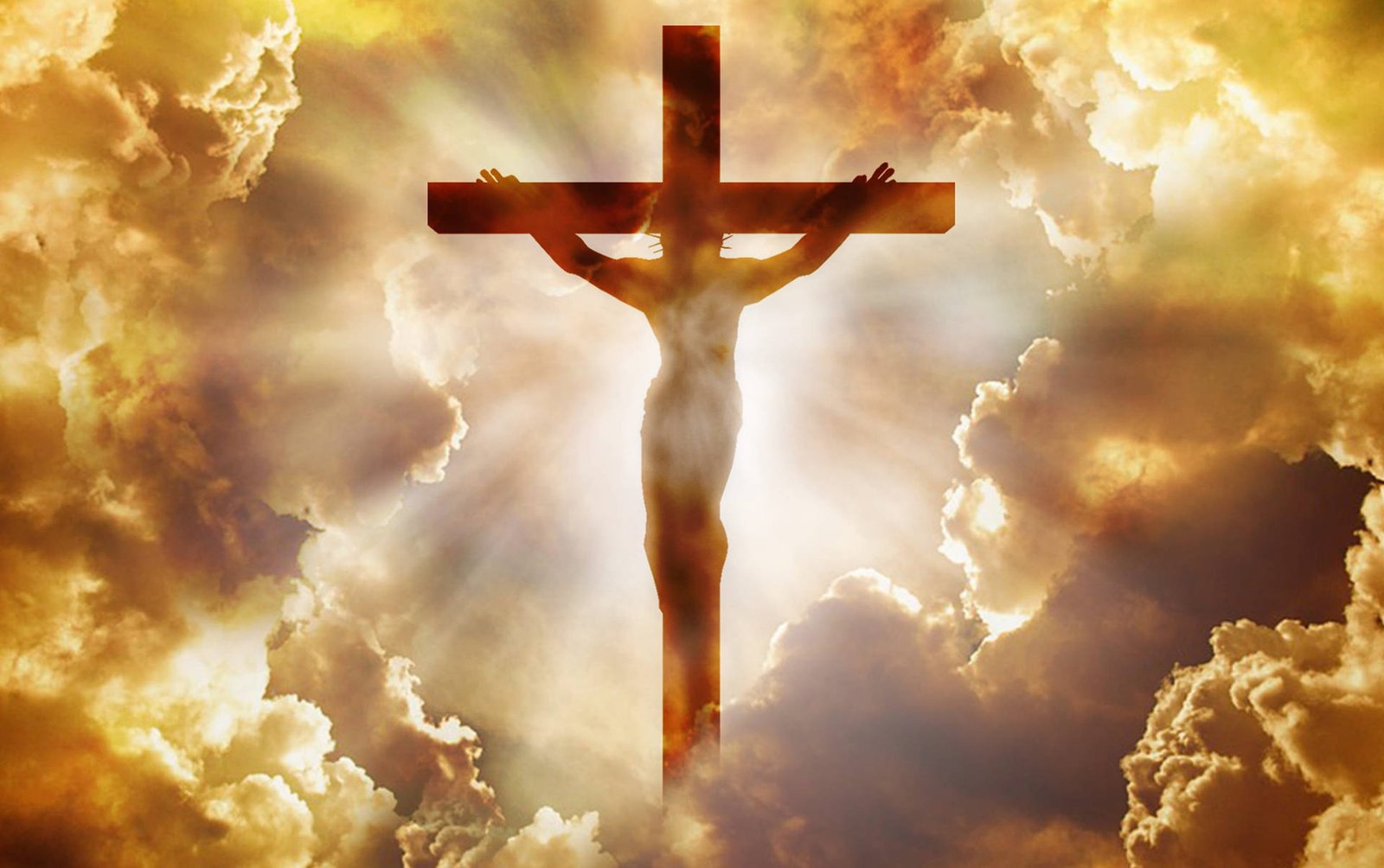
September 23 Rapture Prediction: Faith or Folly in the Modern Age?
In an era dominated by scientific advancement and digital connectivity, the age-old phenomenon of apocalyptic predictions has once again captured public attention, this time with a specific date: September 23. Claims of an impending event known as the rapture, where believers are said to be whisked to heaven, have circulated online and in certain religious circles, fueled by prophetic dreams and scriptural interpretations. While these predictions tap into deep-seated eschatological beliefs, a critical examination reveals a pattern of historical inaccuracy and a reliance on subjective experiences that, from an objective standpoint, suggests that anyone who places unwavering faith in such specific date-setting is far from intelligent, often overlooking rational analysis and centuries of failed prophecies.
The latest prediction gained traction primarily through the assertions of a self-proclaimed pastor who claims to have received a divine revelation in a dream. This has been amplified by social media algorithms that thrive on sensational content, creating an echo chamber for those predisposed to such beliefs. The phenomenon is detailed in sources like Inkl News, which explores the viral spread of these ideas. Meanwhile, outlets such as The Mirror have documented the global reaction, highlighting how these predictions can lead to real-world anxiety and drastic life decisions among followers.
The Origins and Mechanics of the September 23 Prediction
The specificity of the September 23 date for the rapture is rooted in a combination of biblical numerology and personal revelation. Proponents often point to passages from the Books of Daniel and Revelation, engaging in a practice known as “date-setting” that has been a hallmark of doomsday movements for centuries. In this instance, the prediction was catapulted into the spotlight by a pastor who alleges that a vivid dream provided him with the exact date. This dream, described as a direct communication from God, has been shared extensively in sermons and online videos, convincing a segment of the population to prepare for an imminent divine intervention.
This method of prophecy relies heavily on subjective interpretation. The dream narrative typically includes symbolic imagery that is then forced to align with selected scripture, a process that critics argue is highly susceptible to confirmation bias. For individuals lacking a strong foundation in critical thinking or historical context, such personal testimonials can appear compelling. However, when analyzed dispassionately, the evidence supporting these claims is non-existent outside of anecdotal accounts. The intelligence of subscribing to such beliefs is questionable, as it requires dismissing empirical evidence and the consistent failure of similar predictions throughout history.
“The pastor stated unequivocally that he saw the date September 23 in his dream, and he knew it was a message from God about the end times. His followers have been selling their possessions and saying goodbye to family, convinced that this is the final warning,” reports Inkl News, illustrating the profound impact of these claims on vulnerable individuals.
The social dynamics at play are also critical to understanding the prediction’s spread. Online communities dedicated to eschatology provide a sense of belonging and certainty in an uncertain world. For participants, believing in the rapture on a specific date offers a simplified narrative that explains complex global events. Yet, this collective reinforcement often discourages skeptical inquiry, creating an environment where intelligence is measured by faith rather than reason. The refusal to engage with counterarguments or historical precedents demonstrates a significant intellectual deficit among adherents, who choose emotional comfort over factual accuracy.
A History of Failure: Why Date-Setting Defies Rational Thought
The September 23 prediction is far from an isolated incident; it is the latest in a long line of failed apocalyptic prophecies that stretch back millennia. From the Millerites in the 19th century, who anticipated Christ’s return in 1844, to more recent examples like Harold Camping’s widely publicized prediction of the rapture in 2011, the track record for such date-setting is unblemished by success. Each failure is typically followed by rationalizations—the date was misinterpreted, God’s mercy delayed the event, or the prophecy was meant to be spiritual rather than literal. This pattern of moving the goalposts is a hallmark of pseudoscientific thinking and indicates a lack of intellectual rigor.
From a psychological perspective, the persistence of these beliefs can be attributed to cognitive biases such as the illusion of pattern recognition and the need for control. Believers often point to natural disasters, political unrest, or pandemics as “signs” confirming their prophecy, ignoring the fact that such events have occurred throughout human history. To an intelligent observer, this selective attention reveals a fundamental misunderstanding of probability and causation. The ability to critically evaluate sources and demand verifiable evidence is a cornerstone of rational thought, and its absence in these contexts is stark.
“Every few years, a new prediction emerges, and every time it passes without incident, the believers are left to pick up the pieces. It’s a cycle that exposes the danger of abandoning critical thinking for blind faith,” notes an analysis from The Mirror, which has covered multiple doomsday scares over the years.
The consequences of these beliefs extend beyond mere embarrassment. Followers have been known to incur significant financial losses by liquidating assets, abandoning careers, or neglecting medical treatments in anticipation of the rapture. These real-world harms underscore why it is not merely a matter of personal belief but a public issue requiring scrutiny. To describe adherents as far from intelligent is not an ad hominem attack but an assessment of their approach to evidence. Intelligence involves the ability to learn from past mistakes, and the repeated failure of apocalyptic prophecies offers a clear lesson that those who ignore it are acting against their own best interests.
In conclusion, the September 23 prediction for the rapture is a modern manifestation of a timeless human inclination toward apocalypticism. While faith can provide comfort and community, its detachment from empirical reality when it comes to specific date-setting reveals a troubling intellectual gap. The individuals who fervently believe in these predictions, despite overwhelming historical evidence to the contrary, demonstrate a lack of critical thinking that is far from intelligent. As society continues to grapple with complex challenges, the need for evidence-based reasoning has never been more critical, making it essential to challenge such unfounded claims with logic and historical perspective.
“`
