

Police Commissioner Links Gauteng DJ Murders to R200 Million Drug Consignment Stolen from Police Custody
In a stunning revelation that exposes the deep entanglement of organized crime, law enforcement, and the entertainment industry, KwaZulu-Natal police commissioner Lt-Gen Nhlanhla Mkhwanazi has directly linked the recent assassinations of several high-profile Gauteng DJs to violent feuds over a massive drug consignment stolen from police custody. The bombshell testimony marks the first time a senior police official has confirmed long-standing rumors about the motives behind the hits that have shaken South Africa’s music scene.
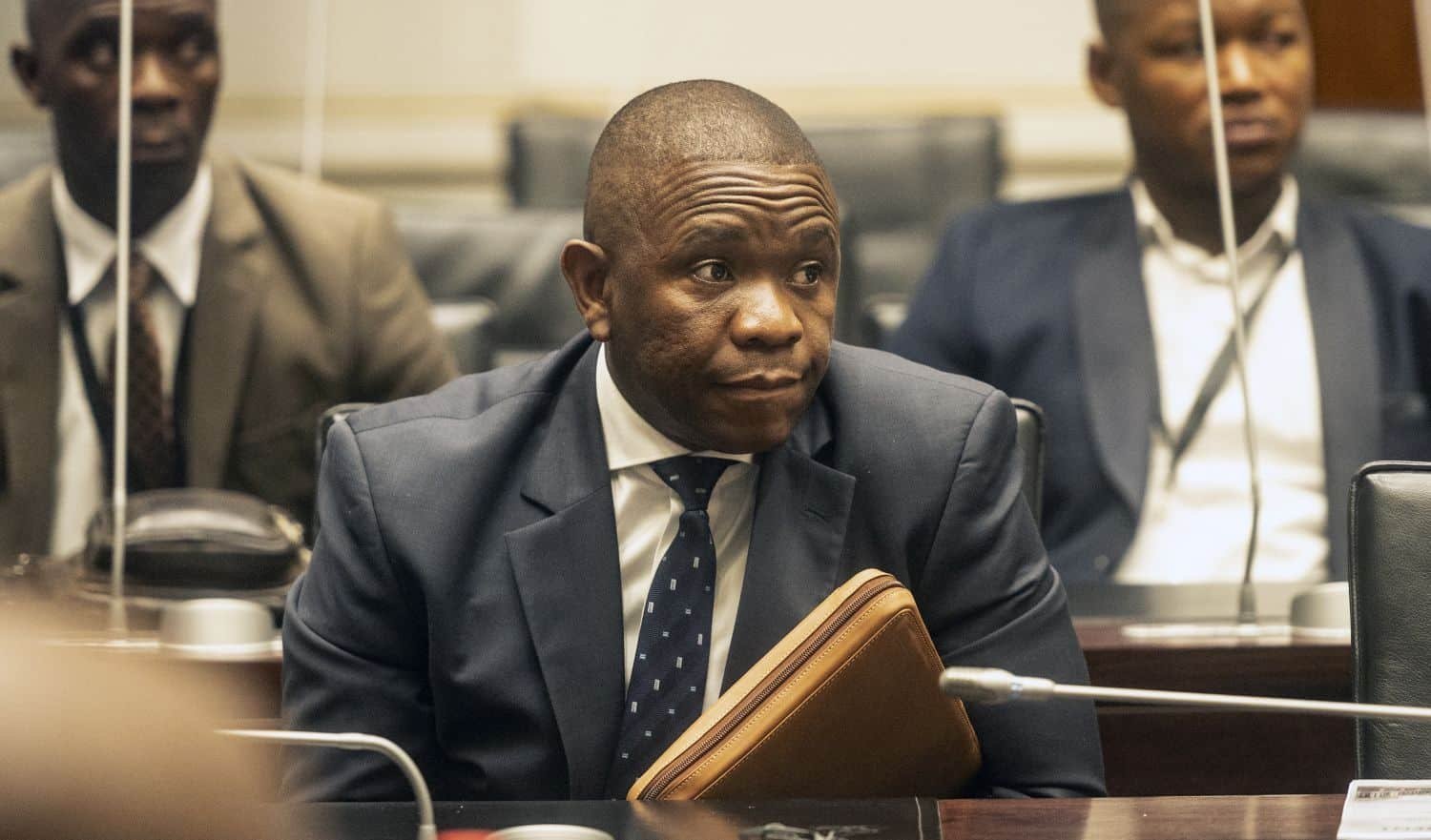
Appearing before the parliamentary ad hoc committee investigating police corruption and criminality, Mkhwanazi detailed how a R200 million drug haul disappeared from a Hawks office in KwaZulu-Natal during load-shedding, eventually making its way into the hands of Gauteng entertainers. The subsequent circulation of these drugs at nightclubs at cut-rate prices, he testified, triggered a deadly response from the original criminal owners, known as the “Big Five” cartel.
The Deadly Trail of a Police Drug Heist
Commissioner Mkhwanazi’s testimony painted a picture of sophisticated criminal operations exploiting police vulnerabilities. The stolen consignment was initially entered into a police station register, then transported to Port Shepstone and stored in a Hawks office that lacked proper security. The break-in occurred during load-shedding, with the thieves taking only the specific R200 million drug consignment while leaving other valuable contraband, including an AK-47, completely untouched.
“The murders of these DJs are drug-related,” Mkhwanazi told the committee with startling clarity. “The picture you’re going to see when the matters get to court is that this ‘one thought he is clever by stealing this one’s drugs, and he started selling them, and this one then killed him’.”
The commissioner’s analysis of the crime scene pointed to an inside job or highly informed criminal operation. “We found an AK-47 standing there, and we realise, that the mission was not the AK-47. The mission was drugs. So they came to collect what is theirs and they took it away. They left everything else untouched and that made us conclude that it was a planned break-in,” Mkhwanazi explained. This detailed account from a senior police official provides crucial context for understanding the wave of violence that has claimed multiple lives in the entertainment industry.
The revelation sheds new light on the murders of popular entertainers including DJ Sumbody, DJ Citi Lyts (Sandile Mkhize), DJ Vintos (Hector Ginimbi Buthelezi) and rapper Thulani “Heavy Pablo” Msimango, who all died under mysterious circumstances. According to a Business LIVE report, the connection between these high-profile cases had been suspected but never officially confirmed until Mkhwanazi’s parliamentary appearance.
Broader Pattern of Corruption and Political Interference
In a dramatic expansion of his testimony, Mkhwanazi also revealed his reasons for leaving his acting position as national police commissioner in 2012, citing frustration with then police minister Nathi Mthethwa’s conduct. The commissioner described being pressured to divert police advertising exclusively to the Guptas’ newspaper, The New Age, with Mthethwa allegedly advising him against using established publications like City Press or Sunday Times because they “did not want to transform.”
“I thought maybe we need to rotate the office. I didn’t even know what The New Age was,” Mkhwanazi testified. “When I presented this to management in the office, they said to me, ‘Do you know who owns The New Age?’ I said, ‘No, who owns it?’ They said, ‘Guptas.’ I said, ‘OK, so what is wrong with that?’ At the time, I was coming from the operations side. I didn’t even know who the Guptas were.”
The commissioner’s testimony provides unprecedented insight into the early stages of state capture and how the Gupta family’s influence extended into police operations. Mkhwanazi described how Mthethwa had attempted to introduce him to a Gupta associate at the Sheraton Hotel in Pretoria, further illustrating the deep political and criminal networks that have complicated law enforcement efforts in South Africa. These revelations about historical corruption cases continue to resonate in current South Africa news cycles, highlighting the enduring challenges facing the country’s criminal justice system.
Mkhwanazi’s testimony before the parliamentary committee represents one of the most significant developments in understanding the interconnected crises of organized crime, police corruption, and political interference in South Africa. By connecting the dots between a police drug heist, criminal cartels, and the assassination of prominent entertainers, the commissioner has provided the public with a clearer picture of the sophisticated criminal networks operating within the country.
The implications of Mkhwanazi’s testimony extend far beyond the specific cases mentioned. They point to systemic vulnerabilities within law enforcement storage facilities, particularly during load-shedding, and raise serious questions about the ability of criminal organizations to retrieve their contraband from police custody. The fact that such a massive drug consignment could be stolen from a Hawks office without taking other valuable evidence suggests either incredible criminal precision or possible inside assistance.
As the parliamentary committee continues its investigation, the nation awaits further developments in both the DJ murder cases and the broader examination of police corruption. Mkhwanazi’s willingness to speak openly about these sensitive matters represents a potential turning point in accountability and transparency within South Africa’s law enforcement institutions. The connections drawn between political pressure, criminal enterprises, and violence in the entertainment industry underscore the complex challenges facing authorities as they work to untangle these deeply embedded networks.
